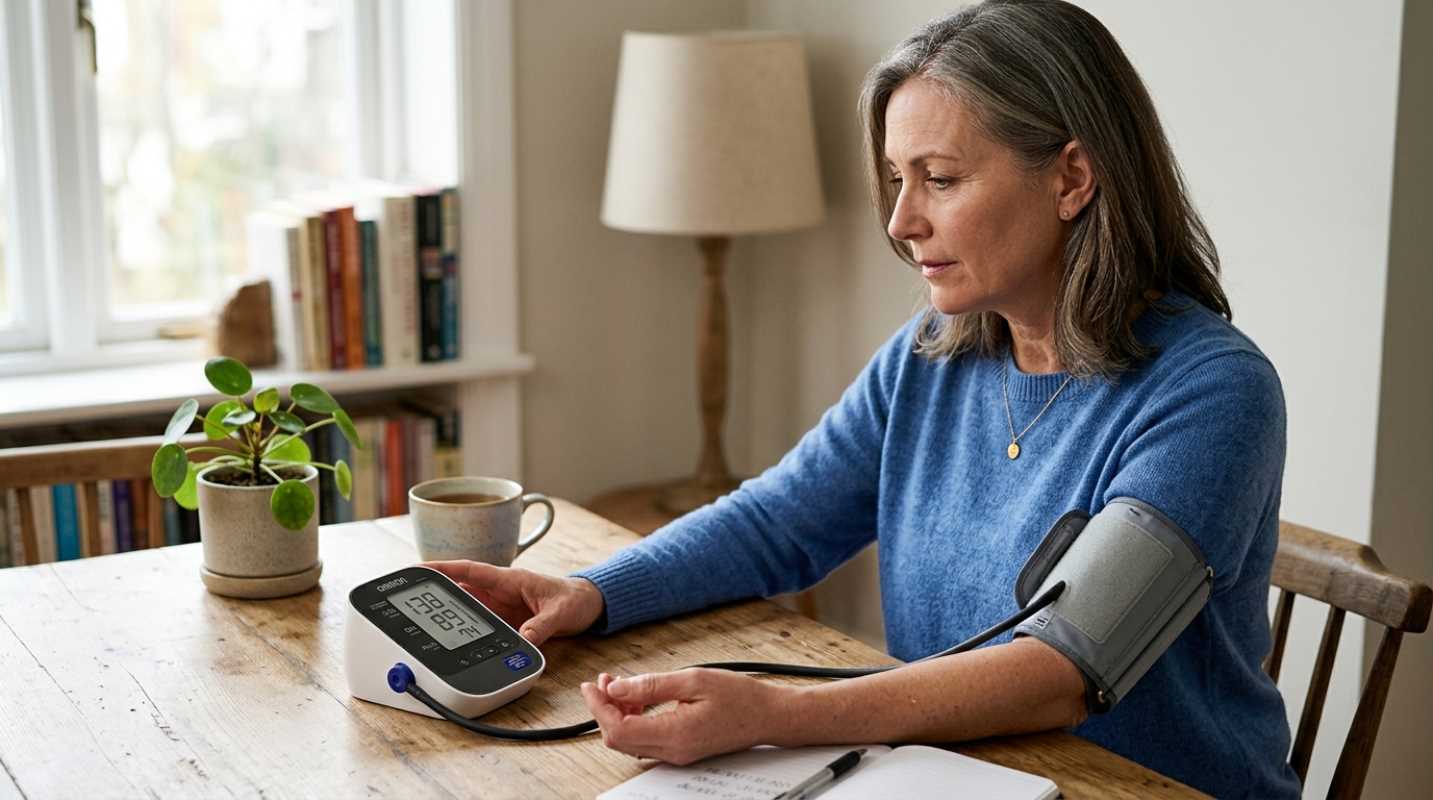
When you sit on the exam table, and the cuff squeezes your arm, you get two numbers back. Maybe you hear 118 over 78, or perhaps 134 over 86. But what are these numbers actually measuring? Think of your heart as a pump moving blood through a network of flexible pipes. The top number, or systolic pressure, measures the force when your heart contracts and pushes blood out to your body. It is the peak pressure inside your arterial walls during that active push.
The bottom number, or diastolic pressure, measures the pressure in your blood vessels when your heart relaxes between beats. It represents the baseline strain your blood vessels experience when your heart is filling back up with blood.
Both numbers matter for your cardiovascular health. A high top number means your heart works extra hard against stiff or narrowed arteries every time it beats. A high bottom number means your arteries stay under constant high tension even when your heart takes a breather. Ignoring either number means you miss half the story.
Understanding the Chart - Blood Pressure Ranges Explained
Medical consensus on healthy blood pressure has evolved dramatically. Today, major health organizations categorize readings into specific tiers to catch cardiovascular risk as early as possible.¹ ²
• Normal: Systolic less than 120 mmHg and diastolic less than 80 mmHg.
• Elevated: Systolic between 120 and 129 mmHg and diastolic less than 80 mmHg.
• Stage 1 Hypertension: Systolic 130 to 139 mmHg or diastolic 80 to 89 mmHg.
• Stage 2 Hypertension: Systolic 140 mmHg or higher or diastolic 90 mmHg or higher.
• Hypertensive Crisis: Systolic pressure higher than 180 mmHg or diastolic pressure higher than 120 mmHg.
Clinical guidelines now urge people to keep their numbers below 130 over 80 mmHg. Research shows that arterial wear and tear begins long before you hit traditional high blood pressure markers. In fact, keeping your systolic pressure closer to 120 mmHg offers significant protection for your heart and overall longevity.
So what does a single high reading at the doctor's office actually mean? Should you panic? Absolutely not.
Have you ever felt a wave of anxiety while sitting on an exam table? White-coat hypertension is real, and a single spike from stress, traffic, or a morning cup of coffee does not mean you have a chronic condition. Consistent home monitoring over days and weeks gives you and your doctor the truest picture of your baseline health.
Beyond Genetics - Lifestyle Factors That Affect It
Your genetic background plays a role in your blood pressure baseline, but daily habits exert an enormous influence on where your numbers settle. Small daily choices can push the dial up or down.
• Sodium and Hydration: Salt causes your body to hold onto extra fluid. That extra fluid increases total blood volume, pushing arterial pressure higher. Cutting back on sodium and staying hydrated keeps blood volume balanced.
• Physical Activity: Sitting for prolonged stretches encourages blood vessels to stay rigid. Regular movement helps arterial walls stay flexible and elastic, dropping baseline pressure naturally.
• Chronic Stress and Sleep Quality: Poor sleep and ongoing stress flood your system with hormones like cortisol. These hormones constrict blood vessels and raise your resting heart rate.
• Substance Use: Alcohol shows a direct dose-response relationship with higher blood pressure, even at low intake levels. Meanwhile, tobacco smoke damages arterial linings and causes an immediate pressure spike with every exposure.
The Silent Signal - Why You Shouldn't Wait for Symptoms
You cannot feel high blood pressure. That is why medical professionals routinely call hypertension the silent killer. You might feel energetic, energetic, and completely healthy while elevated pressure slowly damages your internal organs in the background.
Over time, high arterial pressure creates tiny microscopic micro-tears in blood vessel walls. Your body tries to patch these torn areas with scar tissue, which traps passing fat and cholesterol. This process hardens and narrows your arteries, making your heart pump even harder to move blood through.
This ongoing strain affects far more than your chest. Modern clinical guidelines emphasize a clear link between untreated high blood pressure, cognitive decline, and vascular dementia.³ Keeping your blood pressure low directly preserves brain health and cognitive function as you age.
When should you schedule an appointment versus making quick lifestyle tweaks at home? If your readings sit in the elevated range (120 to 129 systolic), structured lifestyle changes are your immediate first step. But if your numbers consistently hit Stage 1 along with other health risk factors, or reach Stage 2 (140 over 90 or higher), you need to partner directly with your primary care doctor right away.
Taking Control - Actionable Steps for Better Numbers
You hold real power for shifting your numbers back into the safe zone. Non-drug interventions often work exceptionally well, especially when you start early.
Eating patterns like the DASH diet emphasize whole vegetables, fruits, legumes, seeds, and lean protein while cutting out saturated fats and added sugar. Pairing a DASH-style diet with higher potassium intake (3,500 to 5,000 mg daily from whole foods) and lower sodium (under 2,300 mg daily) yields immediate benefits for your blood vessels.
If you carry excess weight, losing just 5 percent of your total body weight creates a noticeable drop in arterial pressure. A helpful rule of thumb is expecting roughly a 1 mmHg drop in systolic pressure for every 2.2 pounds of weight lost.
Regular exercise adds another layer of protection. Strive for at least 150 minutes per week of moderate aerobic exercise, such as brisk walking, along with resistance training twice a week. Adding brief daily relaxation practices like deep breathing or yoga lowers stress hormones and helps reset your nervous system.
Building a data-driven relationship with your primary care doctor is the final piece of the puzzle. Log your home blood pressure readings twice daily for a full week before your next checkup. Bringing clear personal data to your appointment allows you and your physician to make smart, tailored decisions about your heart health. Mastering your blood pressure numbers is one of the most effective gifts you can give your future self.
Sources:
1. European Society of Cardiology Guidelines
https://www.escardio.org/guidelines/clinical-practice-guidelines/all-esc-practice-guidelines/elevated-blood-pressure-and-hypertension/
2. ACC High Blood Pressure Clinical Guidance
https://www.acc.org/latest-in-cardiology/articles/2025/10/01/01/new-in-clinical-guidance-hbp
3. PMC Hypertension and Brain Health Study
https://pmc.ncbi.nlm.nih.gov/articles/PMC12046609/
*This article on seisim is for informational and educational purposes only. Readers are encouraged to consult qualified professionals and verify details with official sources before making decisions. This content does not constitute professional advice.*


 .jpeg)