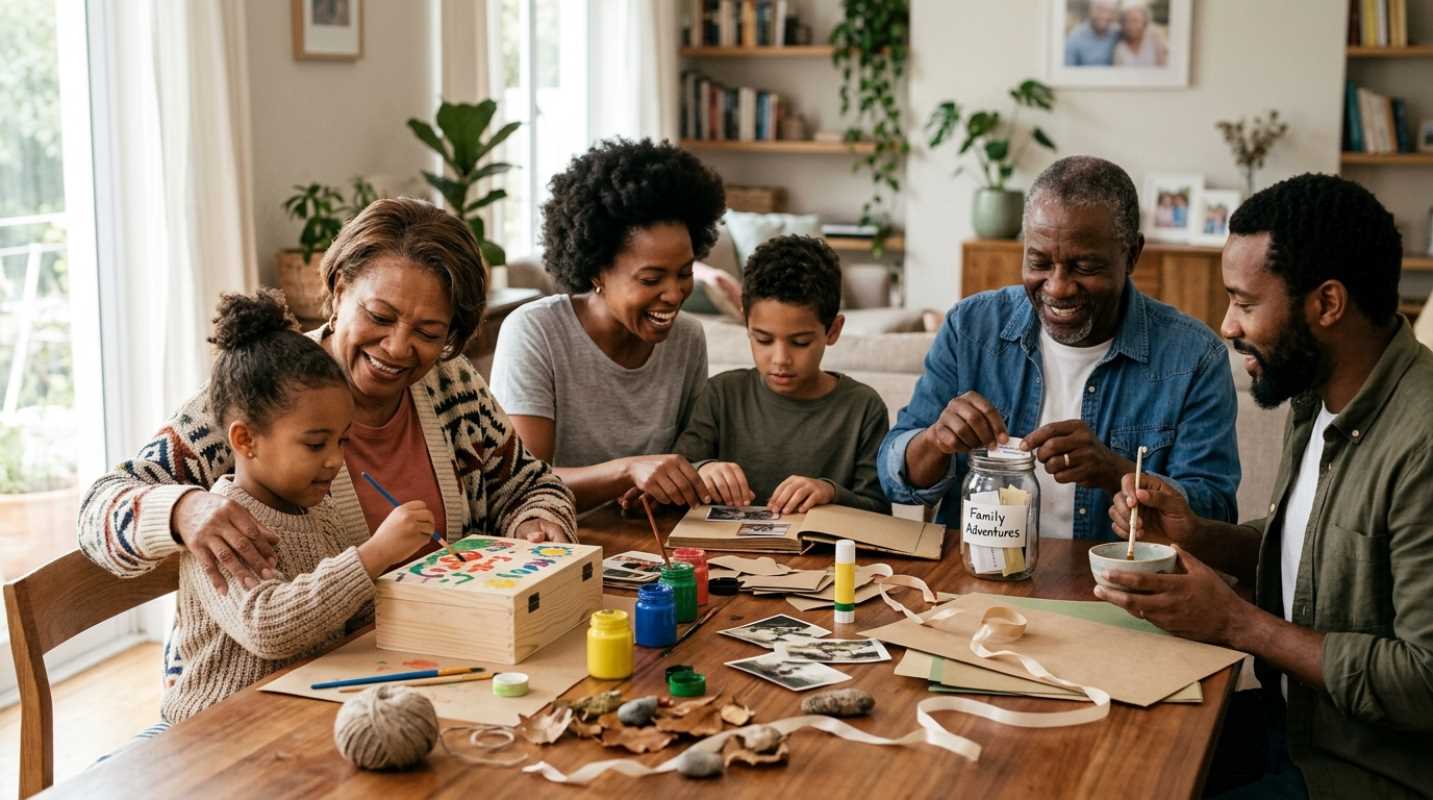
You just married the love of your life, but your new stepchild is staring at you across the dinner table like you are an unwanted intruder. Have you been there? If so, take a deep breath. You are standing in the middle of one of the most common dynamics in modern family life.
Merging two distinct household cultures is rarely a smooth transition. According to U.S. Census data analyzed by the Pew Research Center, roughly 17% of American children under 18 live in a blended family household, and about one-third will live in one before reaching adulthood.¹ On top of that, over 40% of U.S. adults have at least one step-relative in their family network.
Initial resistance from children is completely normal. Kids often view a new stepparent as a threat to their established routines or as a barrier to their biological parents getting back together.
Your initial goal should be building basic mutual respect rather than demanding immediate, overflowing affection. Loving relationships take time, but mutual respect creates a workable foundation from day one.
Setting Realistic Expectations for Bonding
Have you ever felt frustrated that your stepchild is not warming up to you as fast as you hoped? Expecting instant love is a common trap that sets everyone up for disappointment.
Clinical research from family therapy experts shows that it takes an average of four to seven years for a blended family to fully integrate and build deep relational trust.²
Think of this process like using a slow cooker rather than a microwave. Stepping into a child's life requires time for emotions to simmer naturally. Trying to force warmth or demand immediate hug-and-kiss affection only creates friction.
Age also shapes how a child responds to a new stepparent
• Ages 10 to 14: This early adolescent window is usually the hardest stage for adjusting to a stepparent. Kids at this age are already pulling away to build their own identity, so introducing a new authority figure creates extra friction.
• Under age 6: Younger kids tend to build attachment much faster through simple play, daily care, and shared routines.
• Ages 15 and up: Older teens focus heavily on their future and moving into adulthood. They often adapt best when you act as an adult ally or mentor rather than a traditional parent.
Understanding these developmental stages helps you lower your stress and adjust your expectations.
Approaches for Building Rapport with Stepchildren
Building trust requires a low-pressure approach that lets the child dictate the speed of the relationship. Here are practical ways to build connection without a lot of your stepchild
• Adopt the friendly adult role: Position yourself like a supportive aunt, uncle, or camp counselor. Your job early on is to show support and interest, not to run the house like a military drill instructor.
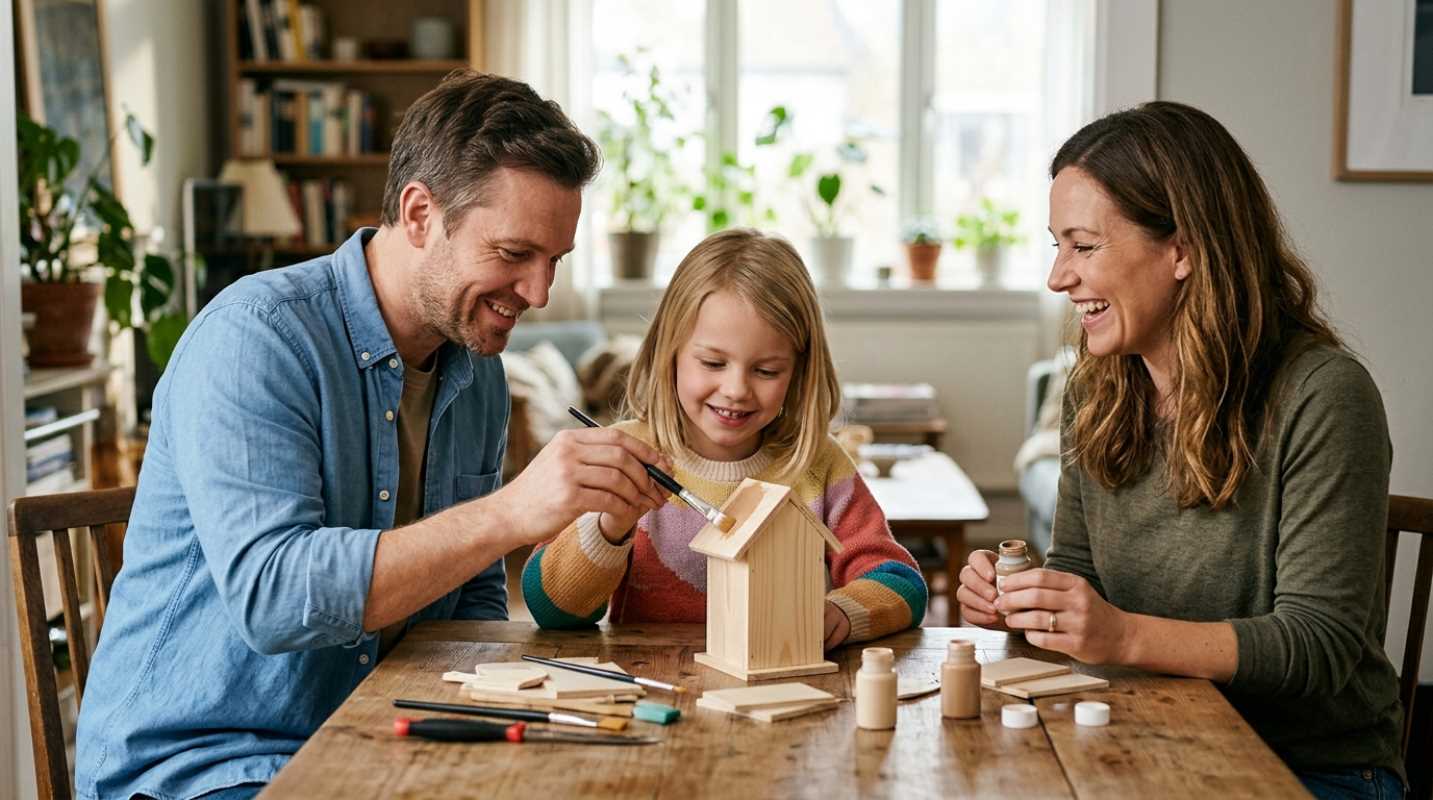
• Choose low-pressure activities: Heavy eye contact and direct grilling can feel like an interrogation. Connect over side-by-side activities like playing a video game, building a project, driving to store runs, or watching sports where natural conversation happens without pressure.
• Validate their feelings: If a stepchild voices sadness about their parents' divorce or misses their other home, avoid getting defensive. Let them know it is okay to love their biological parent deeply, and remind them that you are just extra support in their corner.
• Respect physical space and privacy: Give children room to decompress. Forcing a quiet stepchild to hang out in the living room for hours often drives them further away.
• Let them choose what to call you: Never force a stepchild to call you Mom or Dad. Let them use your first name or a nickname they feel comfortable with.
The Role of Parenting and Partnership
One of the biggest mistakes new stepparents make is jumping straight into rules and discipline. Stepfamily researcher Ron Deal highlights a fundamental rule for blended homes: you cannot discipline a child whose heart you do not possess.²
When you try to enforce strict consequences before building a genuine connection, kids view it as abuse of authority.
During the early years of your blended family, the biological parent must take the primary lead on limit-setting, house rules, and consequences. This setup protects the stepparent from becoming the primary target of resentment.
That does not mean you have no say in your home. You and your partner need to discuss house rules behind closed doors and present a firm, united front to the kids.
Establishing consistent daily routines also gives kids a sense of stability. Predictable meal times, clear chores, and steady weekend patterns reduce anxiety and make the whole household feel safer.
Overcoming Common Roadblocks
Even with clear approaches, you will run into emotional roadblocks. Loyalty binds are among the most common hurdles in blended households. Children often feel that enjoying time with you means betraying their other biological parent.
When a stepchild snaps and says something like "You're not my real parent," do not respond with anger. Maintain your emotional composure and acknowledge their statement neutrally: "You are right, I am not your parent, but your mother and I agreed on this screen time rule."
To ease jealousy and friction, protect one-on-one time between the biological parent and the child. When kids see that their biological parent's love and attention are secure, their urge to fight the stepparent decreases.
Here matter steps for navigating tough moments
1. Step back during heated arguments: Let the biological parent handle intense discipline issues while you stay supportive in the background.
2. Reframing conflict as growth: Recognize that disagreements often mean the child feels safe enough in the household to express real feelings.
3. Knowing when to get help: If lingering resentment or constant yelling paralyzes your home, working with a licensed family therapist who specializes in stepfamilies can help reset the dynamic.
Celebrating Small Wins
Building lasting trust in a blended family is a long-term commitment made up of tiny daily choices. Consistent kindness, patience, and stable boundaries pay off over time.
Do not forget to prioritize your own emotional well-being along the way. Stepparenting takes real work, so keep up with your own hobbies, friendships, and self-care routines. A burnt-out stepparent has a harder time staying patient through tough moments.
Start noticing and celebrating the quiet victories along the way. A quick smile in the hallway, a casual chat in the car, or a stepchild asking for your input on a project are all signs of real progress.
Every blended family develops its own rhythm at its own speed. Stay consistent, keep your expectations realistic, and give your new family structure the time it needs to grow.
Sources:
1. Smart Stepfamilies - Marriage and Family Statistics
https://smartstepfamilies.com/smart-help/marriage-family-stepfamily-statistics
2. Smart Stepfamilies - Stepfamily Developmental Tasks
https://smartstepfamilies.com/smart-help/learn/articles-for-educators-ministry-leaders/stepfamily-developmental-tasks-important-steps-to-stepfamily-integration
3. Stepfamily Relationships - Publications
https://stepfamilyrelationships.com/publications/
*This article is for informational and educational purposes only. Readers are encouraged to consult qualified family professionals and verify details with official sources before making decisions. This content does not constitute professional therapy or legal advice.*

 .jpeg)