Remember being a kid and knowing exactly what Saturday mornings felt like? Maybe it was the smell of specific pancakes, a unique goodnight phrase, or a silly annual road trip. Those feelings did not happen by accident.
So what makes these moments stick with us for decades? There is a fundamental difference between a family routine and a family ritual. Routines get things done, like brushing teeth, packing lunchboxes, or running errands. Rituals, on the other hand, carry emotional weight and symbolism. They send a clear, unspoken message to everyone involved: this is who we are, and we are in this together.
Science backs this up in a big way. Research shows that regular family traditions build genuine psychological stability in children.¹ Dr. Michael Herd, a psychologist at Triple P International, noted that kids who participate in regular family traditions demonstrate higher self-esteem, better emotional regulation, and stronger overall mental health.¹ When modern life gets chaotic, predictable rituals act like a natural brake system for the nervous system, lowering stress hormones like cortisol.
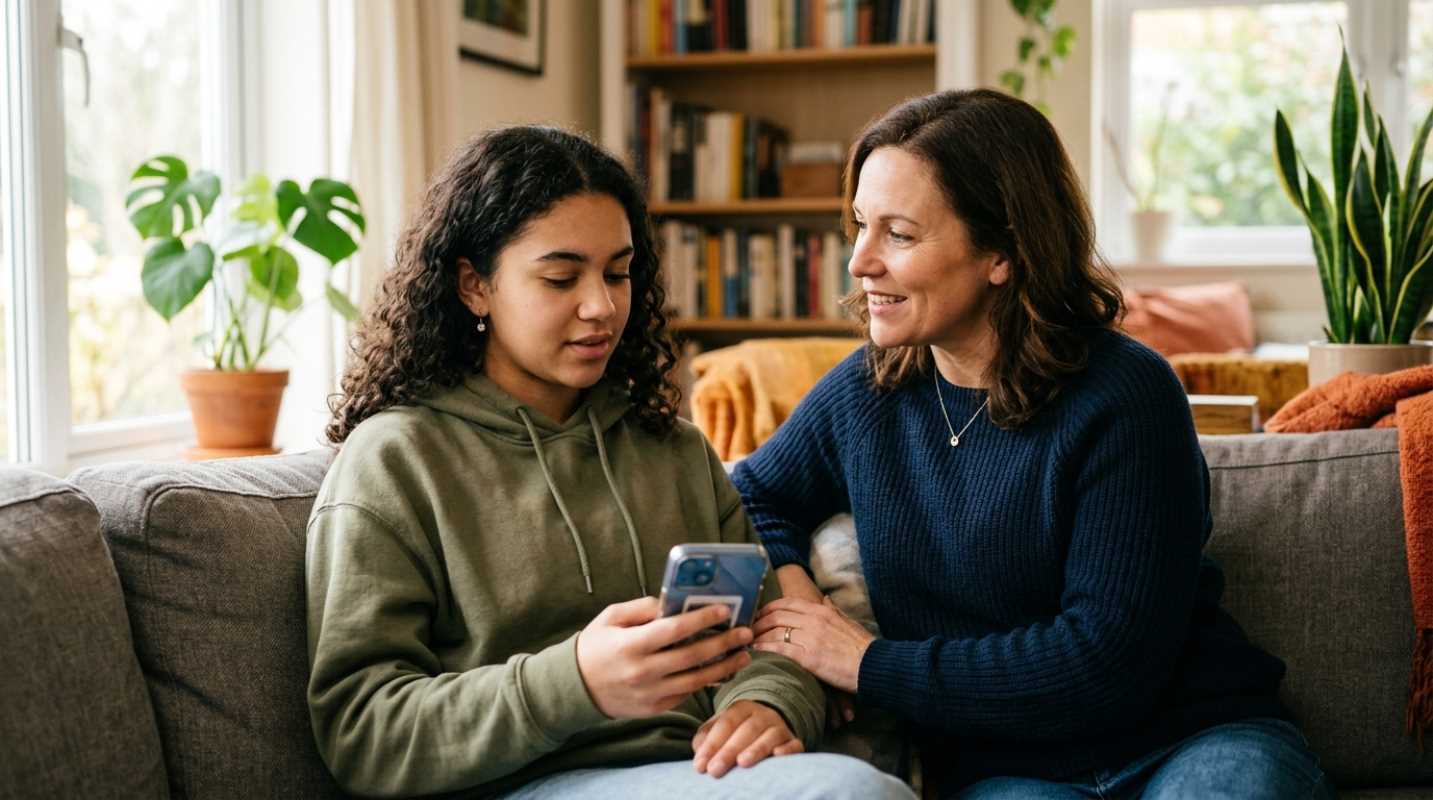
For teenagers, the impact is just as clear. A study published in Frontiers in Psychology found that shared family rituals significantly boost teen well-being by strengthening family intimacy and psychological resilience.² You do not have to carry over whatever your parents did if it does not fit your current life. The key is setting a mindset focused on intentionality rather than obligation.
Brainstorming Your Unique Family Rituals
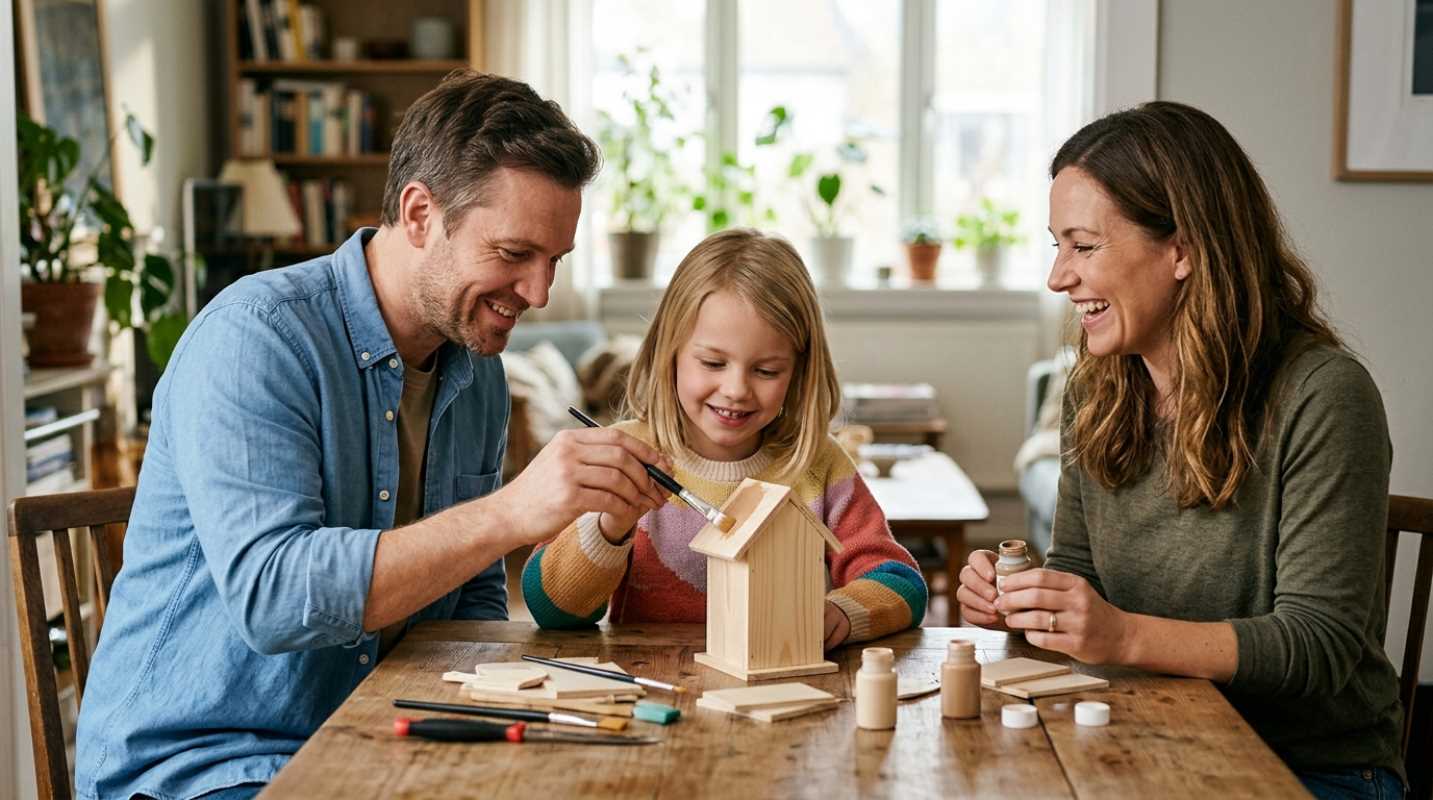
Have you ever tried forcing a tradition that just felt awkward? Maybe you tried an elaborate annual create night that ended in tears and glue on the carpet. So how do you come up with new rituals without forcing it?
First, look at what your family actually enjoys right now. Are you outdoor lovers or board game fanatics? Do you laugh at silly movie tropes or love baking on rainy afternoons? Your traditions should reflect your real life, not an idealized version of it.
It is also time to filter out social media pressure. You do not need matching pajamas, perfectly staged holiday spreads, or costly trips to make memories. Social media pressure turns memory-making into a performance. Real traditions are often messy, low-cost, and centered around your living room coffee table.
Get everyone involved in the brainstorming process so the whole family feels invested. Sit down together with a notebook and ask simple, open questions
• What makes us laugh: Identify inside jokes or funny past events that you can turn into an annual tradition.
• What is our natural pace: Decide if your family thrives on quiet, cozy weekend mornings or high-energy evening games.
• What should we drop: Use the keep, adapt, or dump framework suggested by family communication experts.³ Decide which inherited habits to keep, which to adapt for modern schedules, and which exhausting ones to dump entirely.
Ideas for Holiday and Everyday Rituals
You do not have to wait for major holidays to build connection. High-frequency micro-traditions often leave the deepest impression on kids because they happen so consistently.
Think of micro-traditions as small anchors throughout your week. Here are a few low-stress ideas you can steal or adapt
• Rose, Thorn, and Bud: At dinner, each person shares one highlight from their day (the rose), one challenge (the thorn), and one thing they are looking forward to (the bud). This simple habit encourages vulnerability and active listening.
• Friday Pizza and Floor Picnics: Spread a blanket in the living room every Friday night, order or bake pizza, and watch a movie. It signals an immediate shift from school and work stress to weekend rest.
• Pancake Art Saturdays: Let kids design chaotic batter shapes every weekend morning, no matter how messy they turn out.
• The Traveling Trophy: Create a goofy award for family road trips or game nights. The winner keeps it on their nightstand until the next event.
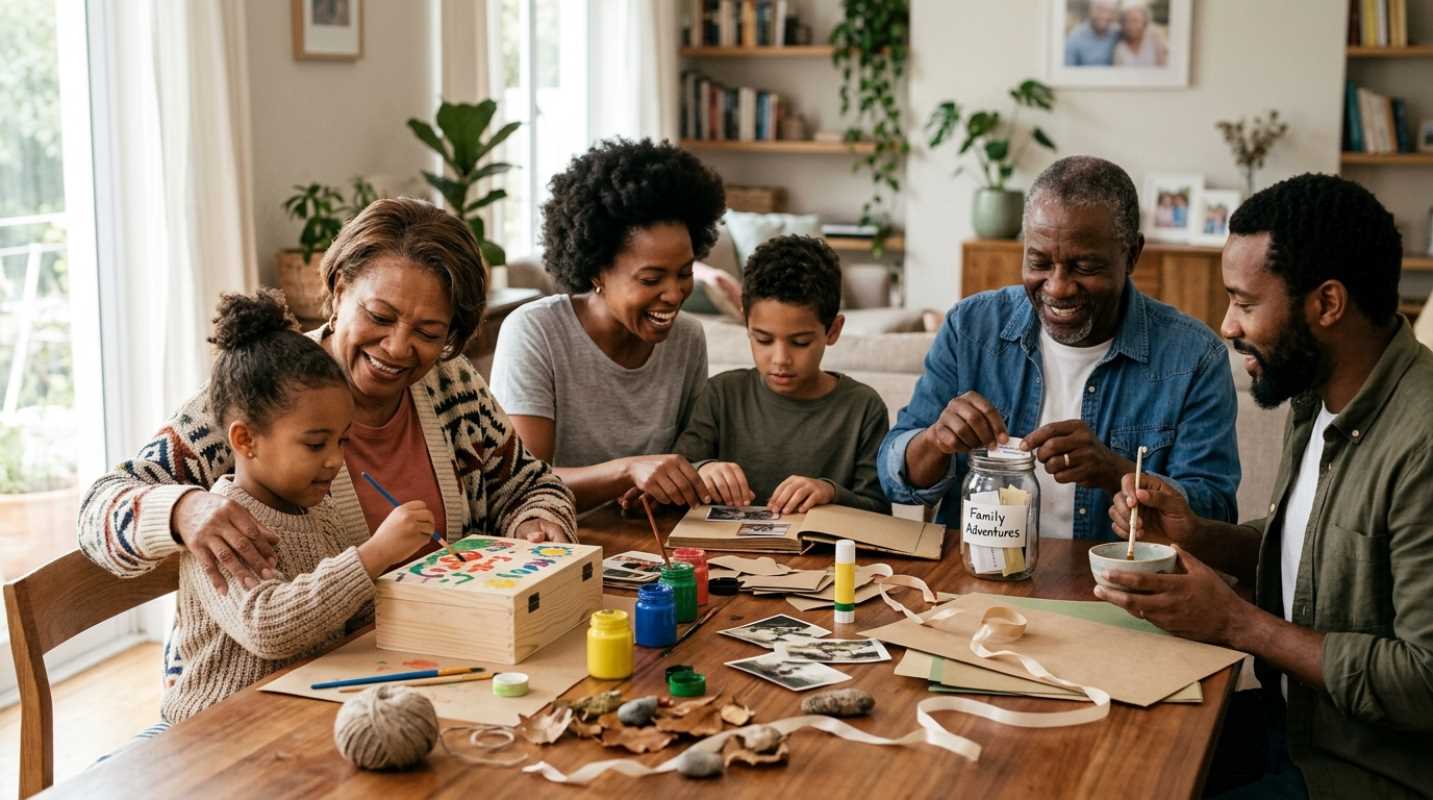
• Adventure Jar: Fill a jar with low-cost outing ideas on paper slips. Pull one slip out on the first Sunday of every month for a surprise activity.
• Seasonal Bookends: Welcome the first day of autumn with hot cider and a backyard fire, or start summer with an end-of-school-year water balloon fight.
Making Traditions Inclusive for All Ages
A tradition only works long-term if people actually want to participate. As kids grow from toddlers to teenagers, your rituals need room to breathe and change.
How do you keep everyone engaged across different life stages?
• For toddlers: Focus on simple sensory cues and physical rhythm. A specific bedtime song, a secret handshake, or lighting a candle at dinner works wonders.
• For teenagers: Give them real control and ownership. Let them curate the music playlist for road trips or choose the menu for weekend meals.
• For aging relatives: Simplify physical demands. Swap long outdoor hikes for a quiet storytelling hour on the porch or a shared family photo night.
Adaptability is your best friend here. If your teenager outgrows a toddler tradition, do not force them into it. Transform it together. Forced participation creates resentment, while flexible rituals build genuine warmth and long-term connection.
The Art of Consistency and Letting Go
What happens when life gets chaotic and a routine breaks down? Don't panic. Traditions are meant to serve your family, not turn into a rigid checklist.
If you miss a Friday movie night because of soccer practice or late work hours, just pick it back up next week. The goal is emotional presence, not flawless execution.
Learn to spot when a tradition has run its course. If an annual activity causes more stress than joy, it is completely fine to retire it. Replacing an outdated habit opens up emotional space for something fresh that fits your family's current phase of life.
In the end, the most memorable moments are rarely the ones that go according to plan. The burnt crust during pizza night, the sudden rainstorm during a park picnic, or the fit of giggles during a bedtime story are what stick. Those imperfect moments are the exact memories your family will talk about twenty years from now.
Sources:
1. Triple P International
https://www.triplep.net/glo-en/find-out-about-triple-p/news/holiday-connections-how-family-traditions-strengthen-kids-wellbeing/
2. Frontiers in Psychology
https://www.frontiersin.org/journals/psychology/articles/10.3389/fpsyg.2025.1523315/full
3. Psychology Today
https://www.psychologytoday.com/us/blog/singletons/202411/the-power-of-family-traditions-count-the-ways
 .jpeg)