Have you ever noticed how easy it is for family life to turn into a relentless cycle of logistics? You spend your week shuffling kids between soccer practice, school projects, and grocery runs. When weekend downtime finally arrives, everyone defaults to their own screens. It is a common pattern, but many families are looking for something more meaningful.
There is a growing shift away from individual volunteering toward shared family service. Over 75 million Americans actively volunteer through formal organizations, and more than half of us step up for informal helping in our neighborhoods.¹ Beyond the massive economic contribution, which evaluates volunteer time at over $34 per hour, the real magic happens right in your living room.¹
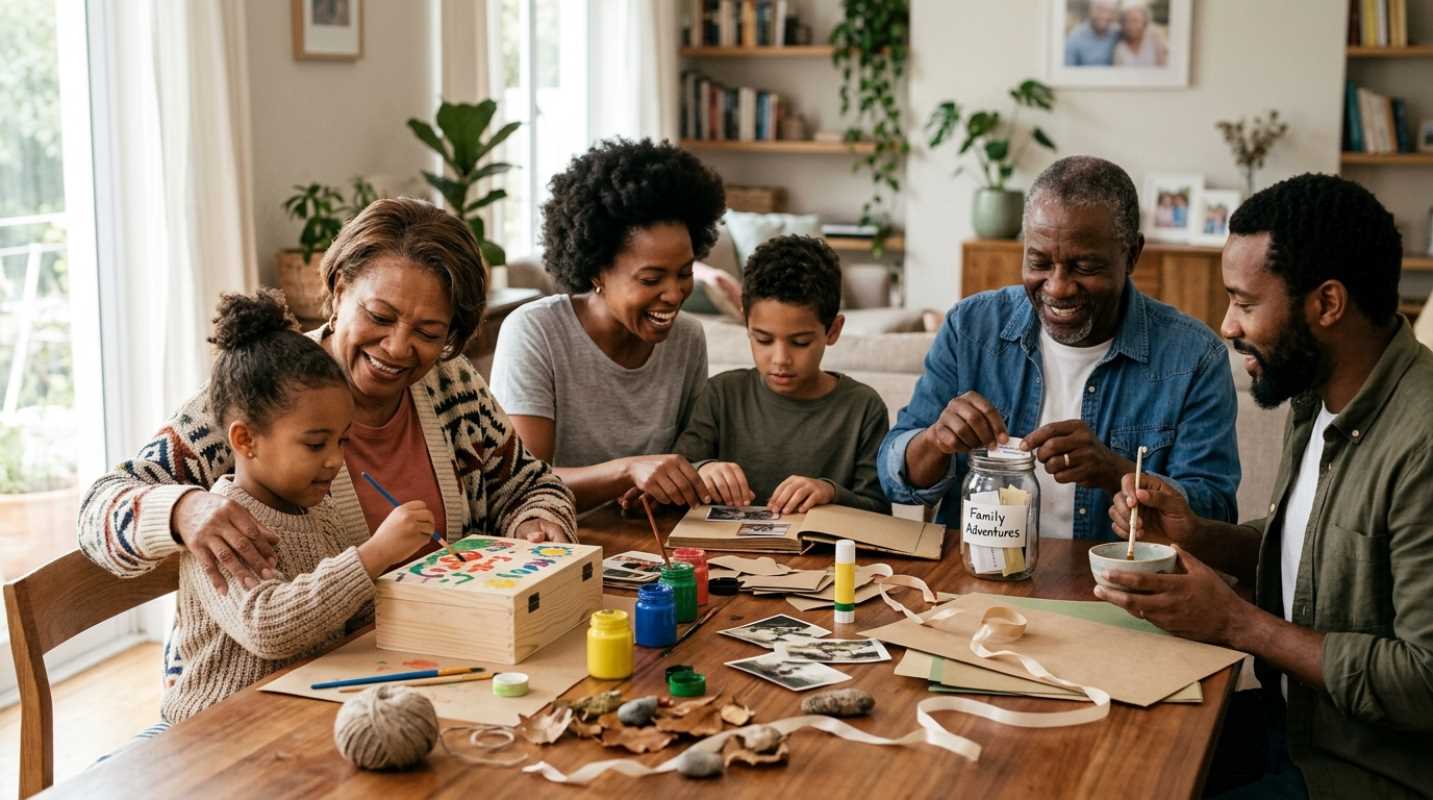
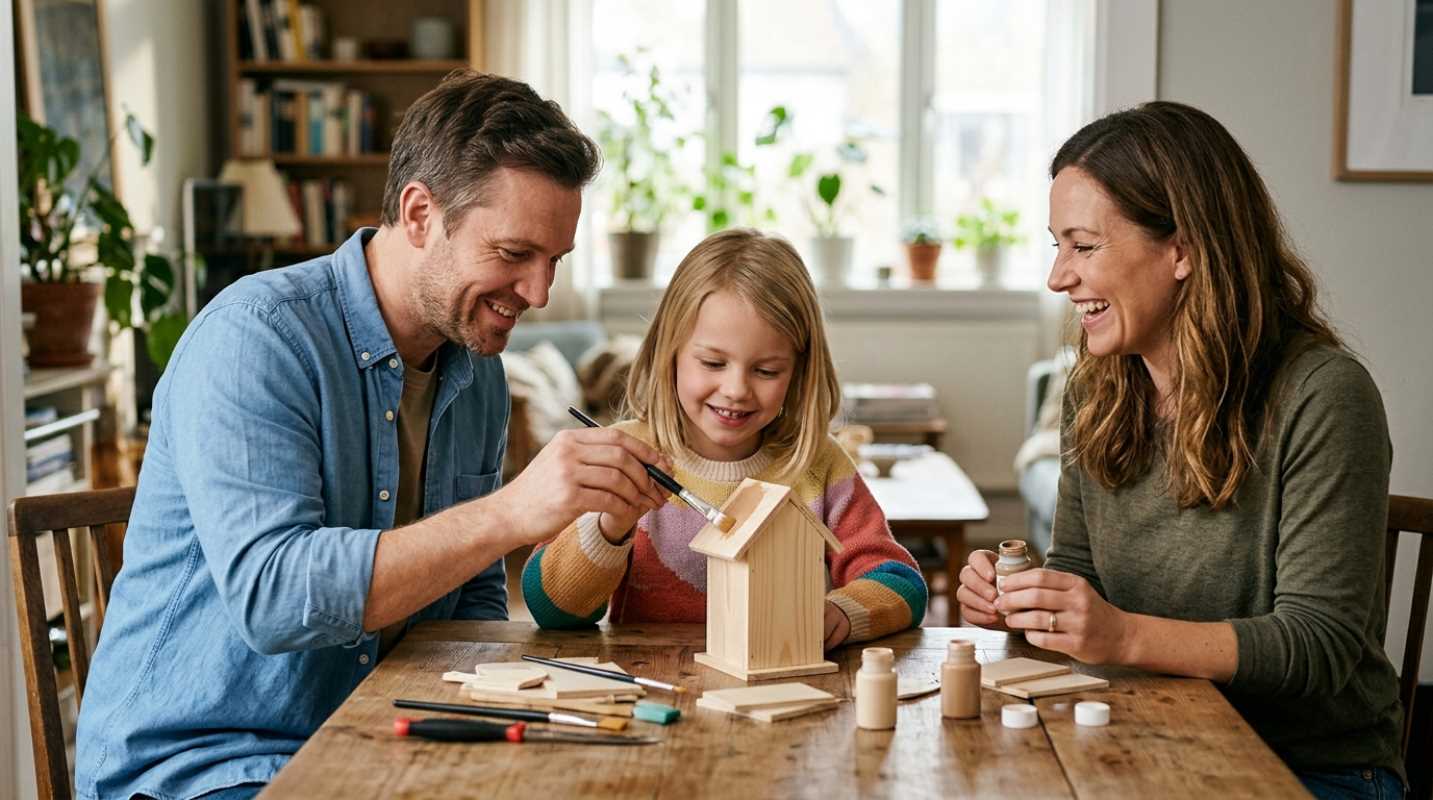
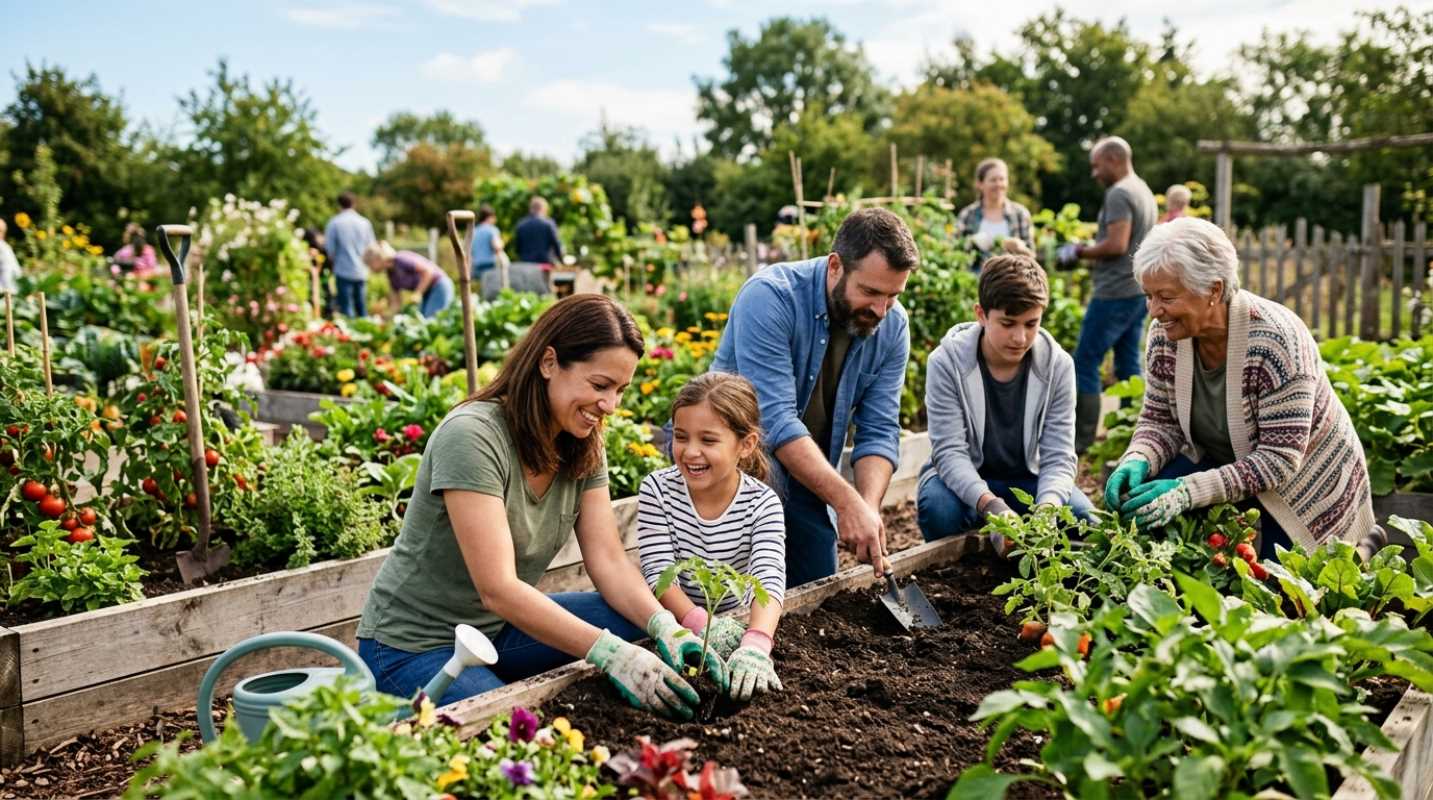
Working together on a shared mission builds a tight family bond that dinner table small talk just cannot replicate. When your kids see you roll up your sleeves to clean a local park or pack meal kits, you do not have to lecture them about kindness. You are showing them what generosity looks like in real time.
Teaching Empathy Through Service
How do we raise kind, grounded human beings in a world that feels increasingly self-absorbed? You cannot just tell a child to be empathetic. Empathy is a muscle that needs regular exercise, and hands-on service is the best workout available.
When children work alongside community members, service stops being an abstract concept. It turns into real faces, names, and stories. Dr. Susan Albers, a psychologist at the Cleveland Clinic, notes that hands-on giving triggers the release of feel-good neurotransmitters like dopamine and oxytocin in the brain. This natural reaction helps move kids away from a self-centered mindset toward genuine connection with others.
The developmental benefits go even deeper. A landmark study from UTHealth Houston found that kids and teens who participate in volunteer work are 18% to 35% less likely to experience anxiety or depression compared to peers who do not volunteer.² Giving back breaks personal isolation bubbles. It helps kids realize that they are part of a larger community, which builds emotional resilience and social awareness.
Finding Family-Friendly Volunteer Opportunities
Finding a project that works for a seven-year-old and a teenager can feel like solving a calculus equation. Many traditional non-profits have age restrictions due to safety or liability, which leaves parents wondering where to start.
Start by checking local community boards, neighborhood social groups, or national databases like Points of Light and VolunteerMatch. Look specifically for organizations that offer multi-generational activities or micro-volunteering options. These short, low-pressure projects fit neatly into weekend schedules without a lot of younger kids.
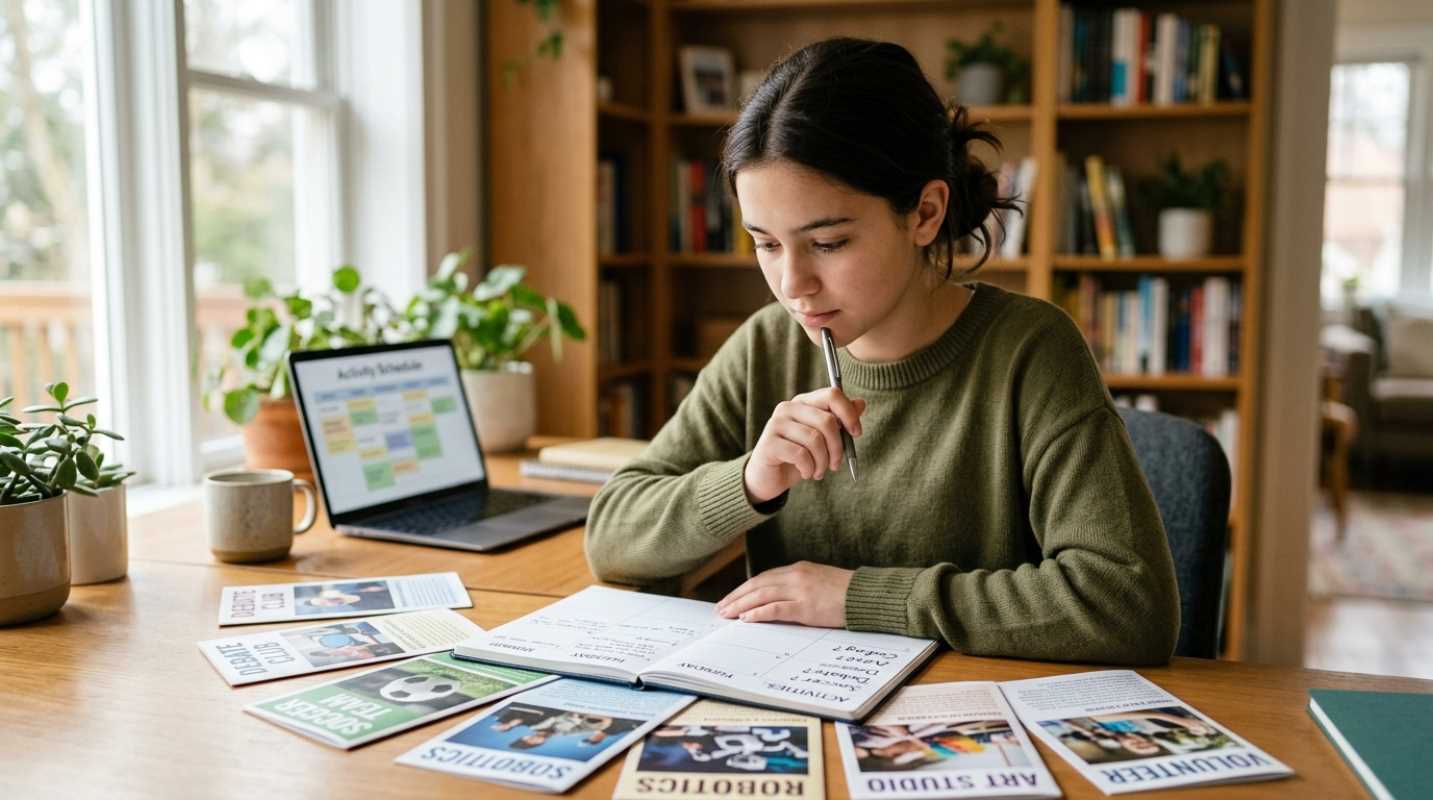
Pay attention to what your family already enjoys. If your kids love animals, look for shelter support projects. If you spend weekends outdoors, a trail restoration morning is a natural fit. Matching your family's real interests to local needs keeps everyone engaged rather than feeling dragged along.
Choosing Age-Appropriate Volunteer Activities for Kids
To keep volunteering positive, you need to match the task to your child's age and focus span. Expecting a toddler to sit through a three-hour committee meeting is a recipe for tears. Giving a teenager a job meant for a five-year-old will bring total disinterest.
Here is a breakdown of how to tailor activities for different age groups
• Early Learners (Ages 2–6): Focus on basic kindness habits and simple sensory tasks. Good options include decorating cheerful greeting cards for residents at a local senior center, making simple dog treats for animal shelters, or filling a kindness bucket at home with small daily deeds.
• Elementary Students (Ages 7–11): Look for hands-on teamwork and visible outcomes. Try sorting canned goods at a local food pantry, joining a community park clean-up morning, or organizing a neighborhood drive for gently used children's books.
• Tweens and Teens (Ages 12+): Focus on building agency, leadership skills, and practical experience. Encourage them to tutor younger students, manage social media for a small local non-profit, or organize their own neighborhood recycling campaign. Research from Gallup shows that 52% of young people report service work directly improved their readiness for future careers.³
Making Service a Sustainable Family Habit
The biggest trap families fall into is burnout. You sign up for a huge weekend project, get exhausted, and then do not volunteer again for a year. Consistency matters far more than intensity.
Treat service like any other regular family habit, such as movie night or Sunday morning breakfast. Put one small service project on your family calendar every month or quarter. Keeping the commitment realistic make sures that giving back remains a source of joy rather than another chore on your to-do list.
Always spend a few minutes reflecting after you finish a project. During dinner or on the drive home, ask open-ended questions like: What was your favorite part of today? How do you think our work helped someone else? These brief conversations help kids process what they experienced, transforming a simple weekend activity into a lifelong value.
Sources:
1. Independent Sector Value of Volunteer Time
https://independentsector.org/research/value-of-volunteer-time/
2. Psychology Today Article on Youth Volunteering Benefits
https://www.psychologytoday.com/us/blog/some-assembly-required/202401/volunteering-benefits-the-health-and-wellness-of-kids-and-teens
3. Gallup Study on Youth Service and Career Readiness
https://news.gallup.com/poll/702380/service-volunteer-work-linked-key-benefits-youth.aspx
 .jpeg)