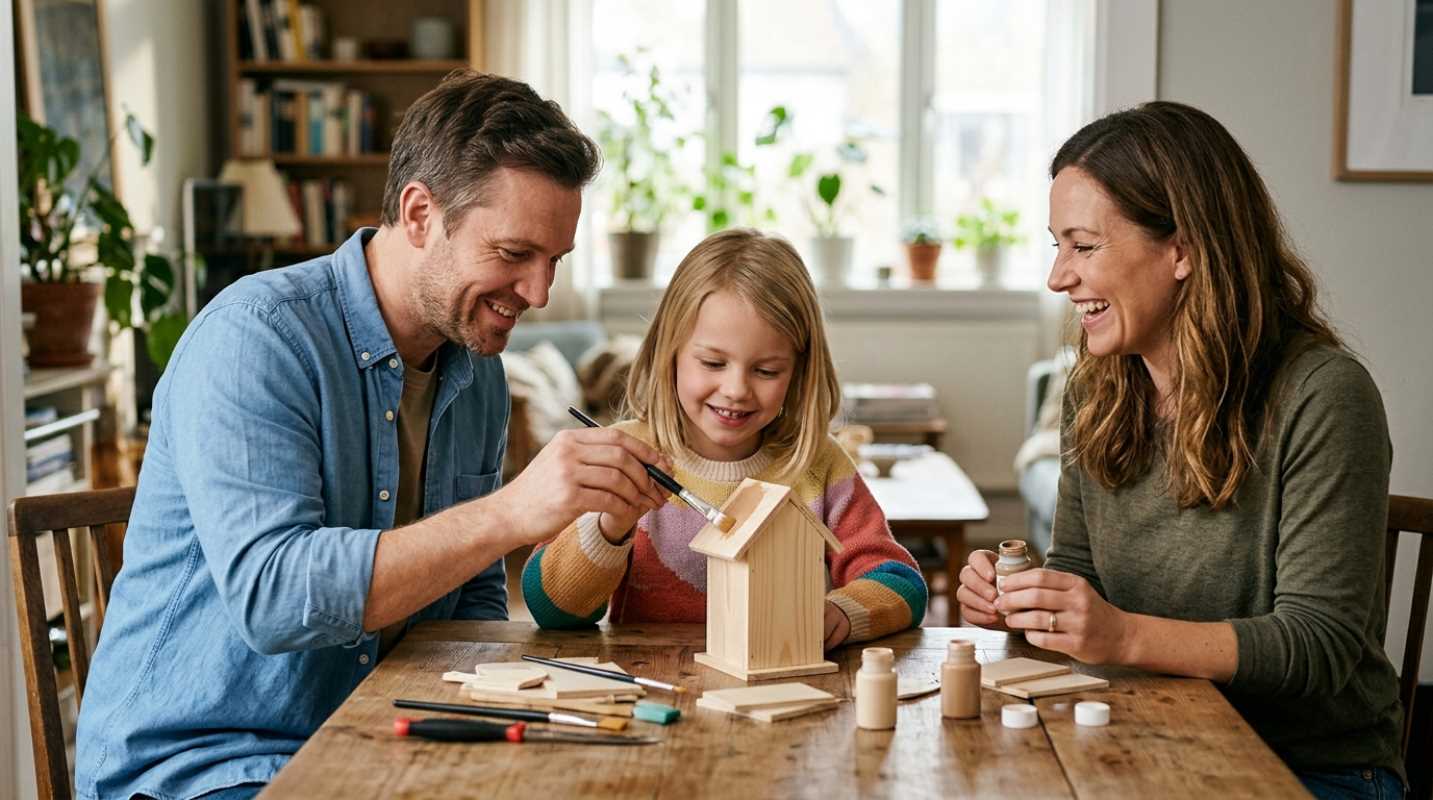
You walk down the hallway and notice something strange. The house is completely quiet. No loud music thumping through bedroom doors, no pile of sneakers by the front door, no endless sink full of dishes. For decades, your day revolved around school drop-offs, sports practice, and non-stop caregiving. Now, your last child has moved out.
It is completely normal to feel a wild mix of emotions right now. You might feel heavy grief one minute and a surprising rush of relief the next. That does not make you a bad parent. It just means you are human.
Interestingly, young adults are staying home longer than in previous generations. Recent data shows that nearly 1 in 3 adults under age 35 lives with their parents due to rising housing costs and economic shifts.¹ So when your nest finally empties, the sudden change can feel even more dramatic because you lived together for so long.
This transition is not the end of your purpose. It is the beginning of a fresh chapter focused on your own personal growth and newfound freedom.
Introduction Embracing the New Chapter
So what does life look like when full-time parenting moves to the background? First, it helps to understand that feeling torn is entirely standard. You spent decades building a life around your children, so watching them step into adulthood naturally triggers nostalgia.
At the same time, you might feel a quiet sense of excitement. Have you thought about what you will do with all that extra time?
Think of this shift like graduating from a long-term job. You are not losing your relationship with your child. You are simply stepping into a new role where you get to watch them thrive as independent adults while reclaiming your own schedule.
Viewing this transition through a lens of curiosity rather than loss changes everything. You finally have room to ask a question you may not have asked in decades: What do I want to do with my time?
Navigating Emotional Shifts Coping with Empty Nest Syndrome
Mental health experts often talk about empty nest syndrome, but it is actually not a formal psychiatric disorder. Instead, it is a major life transition marked by grief, loneliness, and a sudden break in daily routine.
Longitudinal research shows that while initial grief can feel intense, life satisfaction and overall well-being usually climb higher after the first few months.² You are adjusting to a massive routine shift, and your brain simply needs time to adapt.
Here are a few ways to process the silence and handle this shift
• Acknowledge the grief: Do not bottle up your sadness. Bidding farewell to a home full of kids is a massive life event, similar to retiring or switching careers. Giving yourself permission to cry is part of healing.
• Practice self-compassion: Give yourself grace when you catch yourself staring at their old bedroom. You spent decades pouring your energy into someone else, so feeling lost at first is completely natural.
• Reframe the quiet: Instead of seeing an empty living room as a lonely space, view it as a peaceful sanctuary where you get to decide what happens next.
Fathers experience this loss deeply too, even if society expects them to keep quiet about it. Studies suggest men often feel significant identity loss when kids leave, though they frequently mask it behind work commitments. No matter your gender, honoring your feelings is the fastest path forward.
Redefining Your Identity and Daily Routine
When parenting takes up most of your waking energy for twenty years, who are you when that daily duty ends? You are still a parent, of course, but you are no longer a full-time project manager. That leaves a massive block of unscheduled time on your calendar.
Therapists often advise empty nesters to find activities or passions they care about just as deeply. This is your chance to dust off old hobbies that got pushed aside while raising a family.
So how do you actually rebuild your routine? Try these practical steps
1. Audit your schedule: Look at all the hours you used to spend cooking large meals, driving to activities, or waiting up late. Write down three new things you want to fill those hours with now.
2. Invest in your relationship: If you have a partner, your relationship dynamic shifts immediately. Research shows that empty nesting acts as a shared transition for couples, offering a unique opportunity to reconnect as individuals rather than co-parents.³
3. Set fresh personal goals: Whether it is training for a 5K, taking a night class, launching a side business, or traveling, pick a target that excites you.
If you are single, lean heavily into your social circle. Reconnecting with old friends or joining local interest groups helps fill your social calendar and prevents isolation.
Staying Connected in the Digital Age
Your child moving out does not mean your relationship with them is over. It just means the rules of engagement have changed. You are shifting from a manager role into a supportive cheerleader role.
So how do you stay close without hovering?
• Let them set the communication pace: Ask your adult kids how often they prefer to check in and what channel they like best. Texting a quick meme mid-week might work far better than demanding a one-hour phone call every Sunday night.
• Offer advice only when asked: Resist the urge to critique their apartment decor, budget, or career choices. Express curiosity about their life and validate their independence.
• Focus on adult friendship: Treat them like an adult peer whose company you enjoy. Share interesting articles, discuss movies, or meet up for dinner as equals.
• Prepare for potential return moves: Economic realities mean young adults sometimes move back home temporarily. If that happens, set clear ground rules about living expenses, household responsibilities, and personal privacy before they move their boxes back in.
Your Second Act Awaits
An empty nest is not a room filled with absence. It is a home filled with new possibilities. Although the initial quiet can feel jarring, this stage of life offers unprecedented freedom to re-center your energy on your own health and happiness.
Take a deep breath, give yourself credit for raising independent kids who are ready to handle the world, and step confidently into your second act. Schedule that trip you have been postponing. Pick up that book resting on your nightstand. Your house might be quieter, but your future is wide open.
Sources:
1. The Empty Nest is on Hold: 1 in 3 Adults Under 35 Lives With Their Parents
https://www.prnewswire.com/news-releases/the-empty-nest-is-on-hold-1-in-3-adults-under-35-lives-with-their-parents-realtorcom-finds-302803408.html
2. Longitudinal Study on Empty Nest Adjustment and Well-Being
https://pmc.ncbi.nlm.nih.gov/articles/PMC12914757/
3. UCHealth Guidance on Empty Nester Parent Transitions
https://www.uchealth.org/today/empty-nester-parents-can-expect-a-range-of-emotions/
*This article is for informational and educational purposes only. Readers are encouraged to consult qualified professionals and verify details with official sources before making decisions. This content does not constitute professional advice.*


 .jpeg)