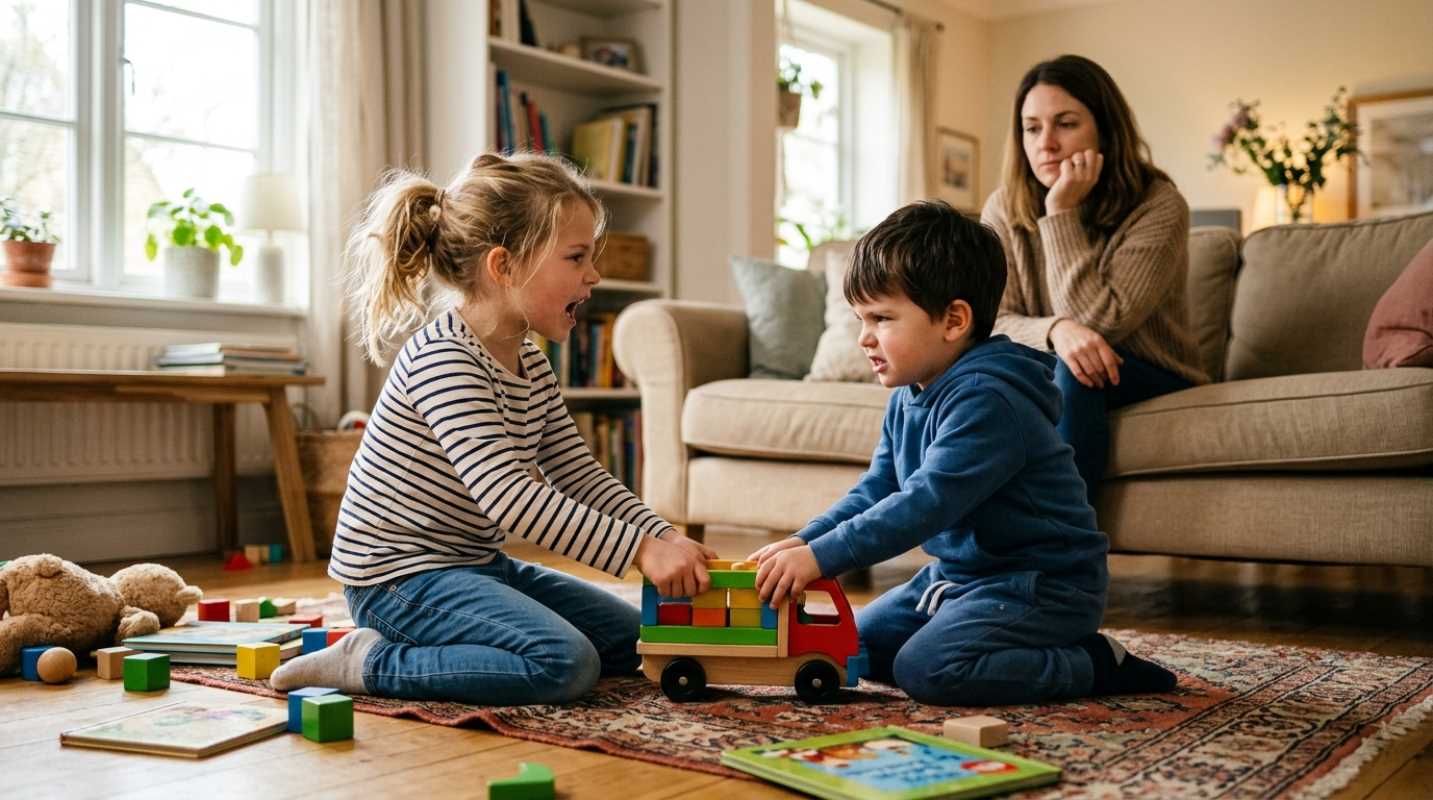
If you have more than one child, you already know the sound. It starts with a sharp gasp, escalates into raised voices, and ends with someone screaming that life is totally unfair. Have you been there today? Probably. Sibling fights are practically a rite of passage for growing up.
Young kids between the ages of three and seven experience a conflict roughly 3.5 times per hour.¹ That is an argument every 17 minutes! It can drive any parent up the wall.
The goal isn't to create a perfectly silent home where everyone gets along every second of the day. That is impossible. Instead, your job is shifting your role from an exhausted referee to a calm mediator who helps kids process big emotions.
Distinguishing Normal Sibling Conflict vs Harmful Behavior
So how do you know if your kids are having a typical squabble or if something worse is happening? Knowing the difference gives you real peace of mind.
Normal rivalry is fluid. Roles shift back and forth. One day your eldest dominates the TV remote, and the next day the younger sibling wins the argument over who gets the red cup. Fights happen over temporary things like turn-taking, shared toys, or personal space. These minor disputes give kids a safe environment to practice negotiation, perspective-taking, and emotional regulation.²
Harmful behavior looks entirely different. When conflict turns into sibling bullying, the dynamic becomes rigid and one-sided. Research shows that roughly 30% to 50% of kids experience persistent sibling aggression, and it can cause real psychological damage.³
Look out for these clear red flags
• Intent to harm - The goal shifts from wanting a toy to intentionally causing physical or emotional pain.
• Power imbalance - One child consistently targets a younger, smaller, or more vulnerable sibling who cannot defend themselves.
• Persistent cruelty - Repeated name-calling, physical intimidation, property destruction, or severe isolation.
• Sustained fear - A child shows anxiety, fear, or total withdrawal when their brother or sister enters the room.
If physical violence erupts or if one child lives in constant fear, step in immediately. Healthy rivalry builds social skills, but sibling abuse creates deep emotional distress.
The Art of Stepping Back
When you hear screaming from the living room, your knee-jerk reaction is probably to jump off the couch and figure out who started it. Resist that urge whenever you can.
Stepping back gives your kids room to figure things out on their own. Rushing in every time someone yells accidentally teaches your children that they cannot solve problems without an adult. It also sets up a system where kids play the victim just to get you to punish their sibling.
When there is no physical danger or emotional cruelty, try observing silently from the sidelines. Give them a minute or two to work through the friction.
When they get truly stuck, offer side-coaching instead of taking over
• Acknowledge the stand-off - Say something neutral like, "It sounds like you both want to play with the block tower right now."
• Prompt creative thinking - Ask them, "What can you two do to make this work for both of you?"
• Encourage self-regulation - Remind them to pause if tempers flare, saying, "Take a deep breath so we can use our calm words."
Letting children handle low-stakes arguments builds resilience and autonomy. They learn that disagreements do not break relationships.
Effective Conflict Resolution Techniques for Siblings
When a fight escalates to the point where you need to intervene, how you handle it makes all the difference. Ditch the magistrate wig. Acting like a judge who declares winners and losers only fuels long-term resentment.
Instead, use a structured approach to help them resolve issues constructively
1. Cool down first
Never try to negotiate while your kids are in fight-or-flight mode. Separate them calmly until their bodies are regulated. Let them know you will talk once everyone feels calm.
2. Avoid asking who started it
Asking who started the fight triggers blame-shifting and finger-pointing. Describe the situation without taking sides. Try saying, "I see two kids who are upset about this game controller."
3. Validate both perspectives
Make sure each child feels heard by repeating their feelings back to them. Say, "Sam, you are mad because you were not done with your turn. Alex, you are frustrated because you have been waiting a long time."
4. Teach I statements
Guide your kids to talk directly to each other rather than complaining through you. Prompt them to say, "I felt angry when you grabbed that without asking me."
5. Collaborate on solutions
Put the responsibility back on them. Ask, "What would a fair solution look like to both of you?" Let them brainstorm until they hit a win-win compromise.
Building Sibling Bonds Beyond Conflict
Helping your kids manage fights is only half the equation. Building a strong foundation of positive connection during quiet moments matters just as much.
One of the best ways to reduce constant rivalry is giving each child dedicated one-on-one time. Rivalry often stems from a basic competition for your attention and security. Spending 10 to 15 minutes a day of focused, undivided attention with each child works wonders for reducing daily friction.
Here are a few practical ways to nurture their bond
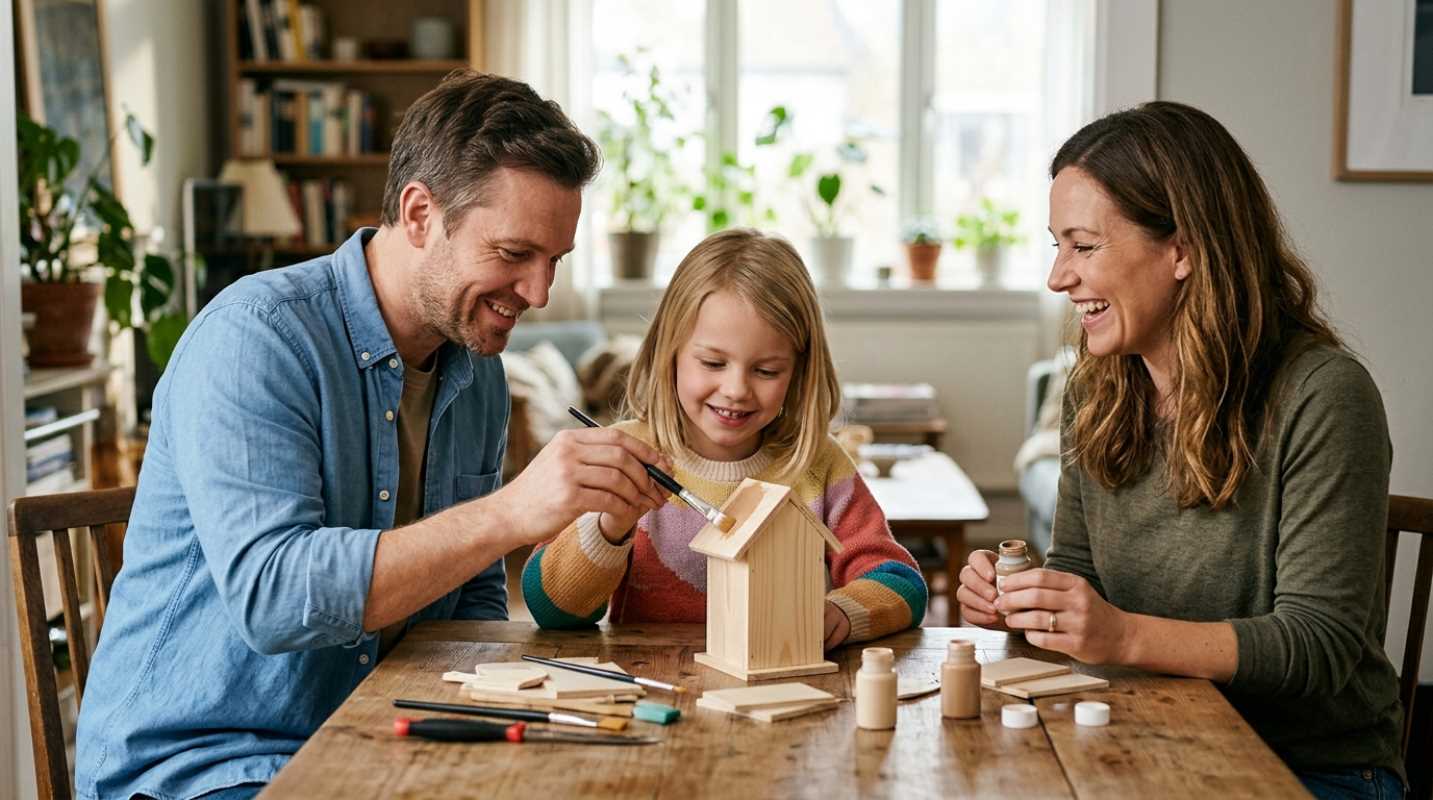
• Create shared goals - Plan activities where your kids must work as a team, like building a fort, baking cookies, or completing a puzzle.
• Avoid comparisons - Statements like "Why can't you keep your room clean like your sister?" breed deep resentment and competitive envy.
• Catch them being kind - When you spot your kids sharing or helping each other without being asked, praise the specific behavior out loud.
• Model healthy conflict - Kids watch how parents handle stress. Show them how to disagree respectfully with your partner or friends.
Building a Foundation for Lifelong Friendship
Sibling relationships are often the longest relationships of our lives. The work you put into guiding their arguments today sets the template for how they will handle relationships as adults.
You do not need to fix every argument or manage every mood. Trust the process. When you switch your approach from declaring who is right to teaching your children how to listen, you give them tools that last long after they leave your home.
Be patient with yourself and with them. With a little breathing room and thoughtful guidance, your kids can move past everyday squabbles and learn to become each other's strongest allies.
Sources:
1. Arizona State University News
https://news.asu.edu/20250407-health-and-medicine-science-sibling-dynamics-why-we-fight-how-we-relate-and-why-it-matters
2. Dr. Tashkandi Psychology
https://drtashkandi.com/the-psychology-of-sibling-rivalry-normal-vs-toxic/
3. Psychology Today
https://www.psychologytoday.com/us/blog/the-science-of-siblings/202507/sibling-rivalry-shouldnt-hurt
*This article on seisim is for informational and educational purposes only. Readers are encouraged to consult qualified professionals and verify details with official sources before making decisions. This content does not constitute professional advice.*

 .jpeg)