You know that feeling when you watch a ten-minute video online and suddenly feel ready to remodel your entire bathroom? It's an intoxicating rush. Fixing something around the house with your own hands gives you an incredible sense of accomplishment. Plus, with home maintenance costs continuing to rise, tackling home projects yourself feels like a smart financial move.
In fact, over 60 percent of homeowners have taken on DIY projects recently to keep home expenses under control.¹ But there's a fine line between smart self-reliance and an expensive ego trap.
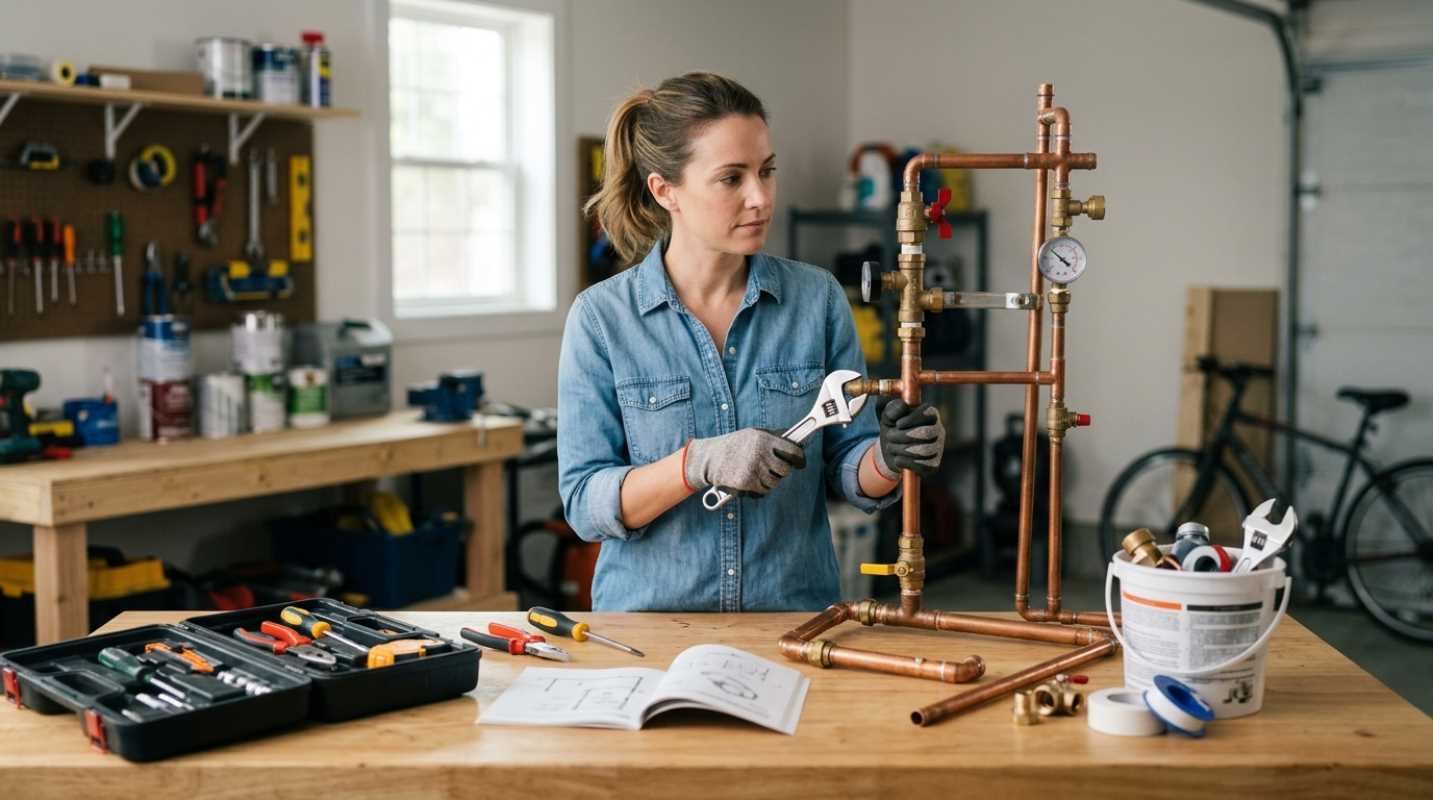
It's easy to assume that replacing a sink faucet means you're ready to sweat copper pipes inside a wall. That's where the danger lies. Knowing when to put the tools down requires being completely honest with yourself about your true skill level, available time, and personal threshold for risk.
The Helpment and Ego Trap of DIY
Doing it yourself builds confidence. Changing out an old door handle or patching a small hole in the drywall makes you feel like the master of your space. You save a quick couple of hundred bucks, and you get to brag about it to your neighbors.
So what happens when project scope creeps up? This is where ego takes over. Many of us overestimate our abilities because we confuse understanding how something works with having the manual dexterity to execute it.
Most people severely underestimate what it actually costs to maintain a house over a lifetime. Although average homeowners think they'll spend around $70,000 on home maintenance over five decades, real costs actually average well over $300,000. That massive gap drives people to attempt complex projects they're simply not equipped to handle, turning minor fixes into major disasters.
The Reality Check on When to Put the Tools Down
How do you know when it's time to put the wrench down? Start by assessing the immediate risks. If a single mistake could cause a house fire, flood your basement, or compromise a load-bearing wall, you've crossed into professional territory.
Then there's the simple calculation of time versus money. DIY projects almost always take three times longer than you expect. You spend your Saturday driving back and forth to the hardware store for the tool you didn't know you needed. Meanwhile, execution mistakes add up fast. Studies show that 58 percent of DIY home repairers spend far more money than they planned simply because of early mistakes.²
You also have to think about local building codes. Major electrical work, structural changes, and gas line modifications require municipal permits. Skipping the permit process might save a few bucks today, but it creates massive legal headaches when you try to sell your home down the road.
Common Home Repair Mistakes That Cost You Double
We've all been tempted by a quick "Band-Aid" fix. Slapping extra caulk over a leaking shower pipe or wrapping electrical tape around a questionable connection might hold for a week. But temporary hacks often lead to sudden, catastrophic failures. Water leaks left unchecked behind drywalls quietly breed toxic mold and rot structural framing.
Underestimating the required equipment for a job is another classic trap. Specialty tools like pipe crimpers, high-end pressure testers, and wet tile saws aren't cheap. Renting or buying single-use equipment erases up to half of your predicted labor savings before you even start.
The long-term impact on your home insurance is even worse. Standard insurance policies explicitly exclude damage caused by faulty workmanship or unpermitted work. If a botched DIY plumbing job causes thousands of dollars in water damage, your insurance company can deny the claim completely. That means you pay twice: once for your wasted materials, and once to hire a pro to fix both your mistake and the original problem.
The Hidden Costs of Learning on the Fly
Learning a new trade on the fly while working on your primary residence is a gamble. Research shows that nearly half of all DIY home repairs require a licensed professional to step in and redo the work within six months.³ That effectively doubles your total project cost.
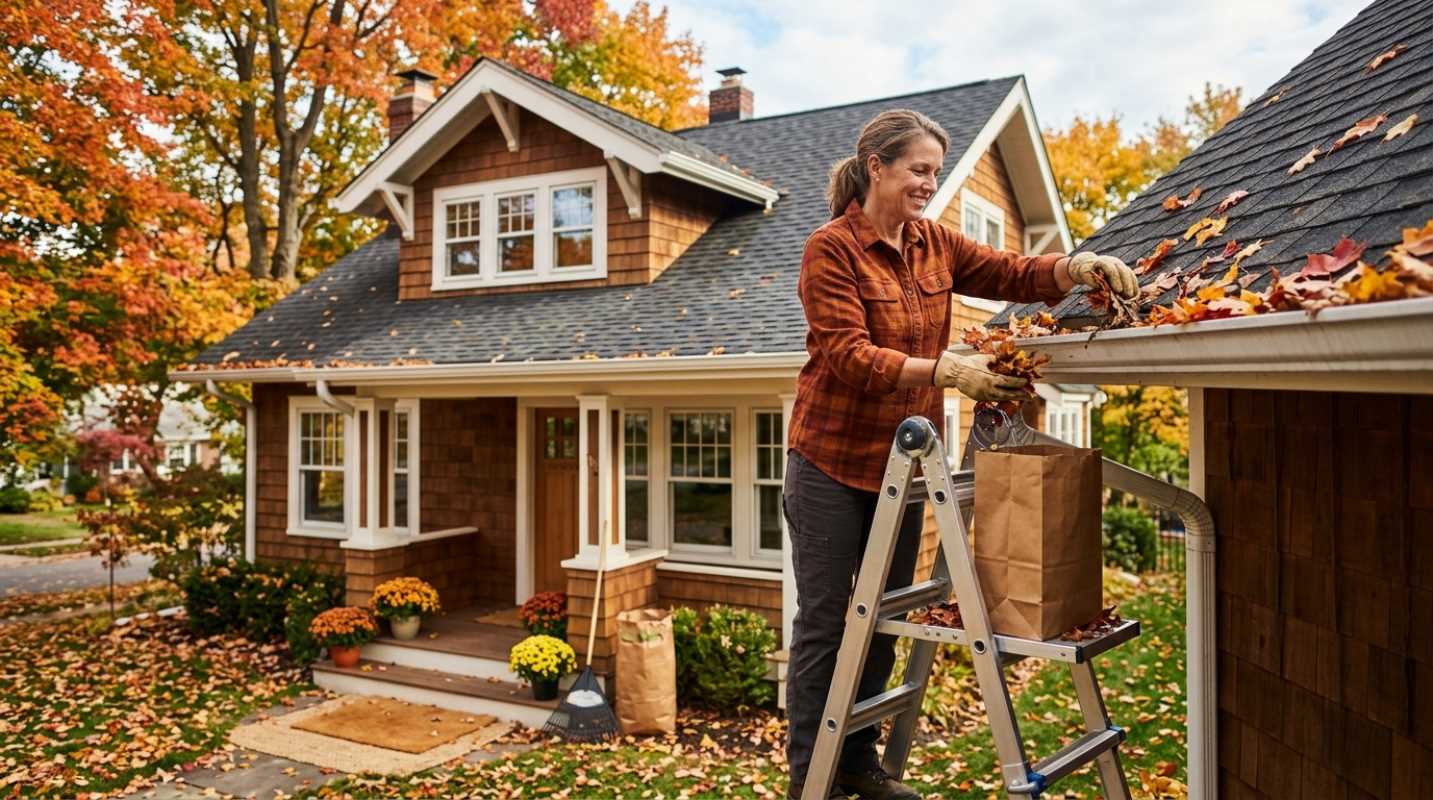
Beyond the financial drain, there's a serious physical risk that many homeowners ignore. Over 290,000 people end up in the emergency room every year from DIY home repair accidents. Ladders are the single biggest threat, accounting for nearly 200,000 ER visits and hundreds of fatalities annually. Power tools add another 400,000 injuries, mostly severe cuts to fingers and hands.
Electrical work and gas lines carry even higher stakes. An improper wiring connection inside an outlet box can sit quietly for months before sparking an arc flash or an attic fire. Unless you hold a professional license, touching high-voltage main panels or pressurized gas lines is never worth the risk.
Making the Final Call with a Decision Framework
Before you pick up a hammer or turn off a valve on your next project, run through this simple traffic light framework to evaluate project complexity
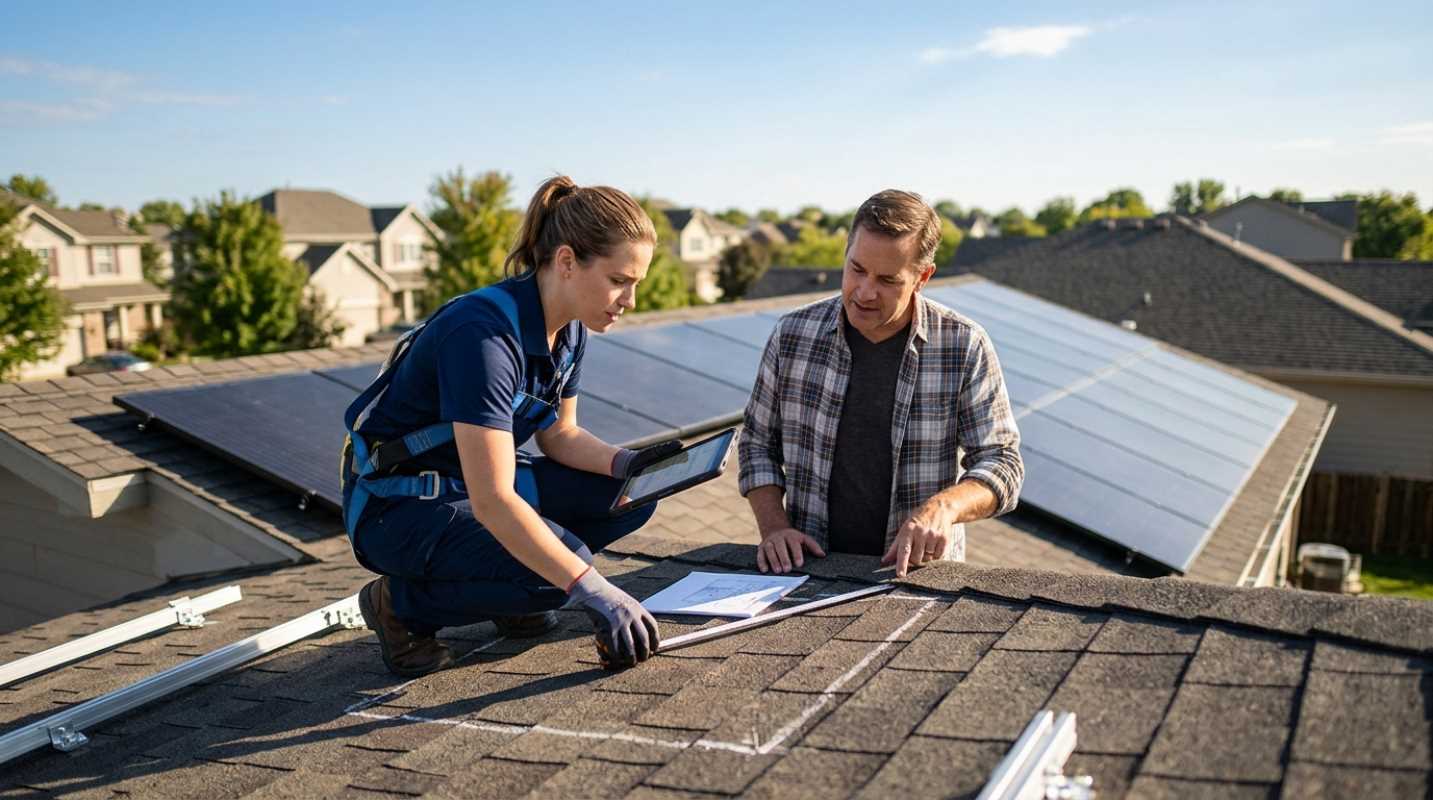
• Red Light (Always Hire a Pro): Electrical panel upgrades, gas line repairs, load-bearing wall removal, main plumbing line leaks, full roof replacements, and hazardous material removal. The safety and financial risks here are far too high for amateurs.
• Yellow Light (Proceed with Extreme Caution): Faucet replacements, floor tiling, large drywall patches, and ground-level deck building. You can handle these if you have patience, specialized tools, and the time to follow building codes strictly.
• Green Light (Safe to DIY): Interior surface painting, changing light fixtures after shutting off main power, swapping cabinet hardware, laying click-lock flooring, and changing HVAC filters. Low risk, high reward.
If you decide to call in an expert, take the time to vet them properly. Always ask for proof of active license, bonding, and liability insurance. Check recent customer reviews and request a detailed, written quote that outlines the full scope of work before signing.
Taking pride in your house doesn't mean doing every single job yourself. True homeownership wisdom is knowing your limits and respecting the skill required to keep your living space safe and secure.
Sources:
1. AP News - Home Improvement Remodeling Costs
https://apnews.com/article/home-improvement-remodeling-costs-tariffs-housing-market-79211b2a68477edb0f9129dc8ffd3821
2. Insurance Business Magazine - Unexpected Home Repair Costs
https://www.insurancebusinessmag.com/us/news/property/revealed--unexpected-home-repair-costs-rose-in-2024-519908.aspx
3. House to Home Pages - Hidden Costs of DIY Home Repairs
https://housetohomepages.com/the-hidden-costs-of-diy-home-repairs-when-to-call-a-pro/
*This article on seisim is for informational and educational purposes only. Readers are encouraged to consult qualified professionals and verify details with official sources before making decisions. This content does not constitute professional advice.*