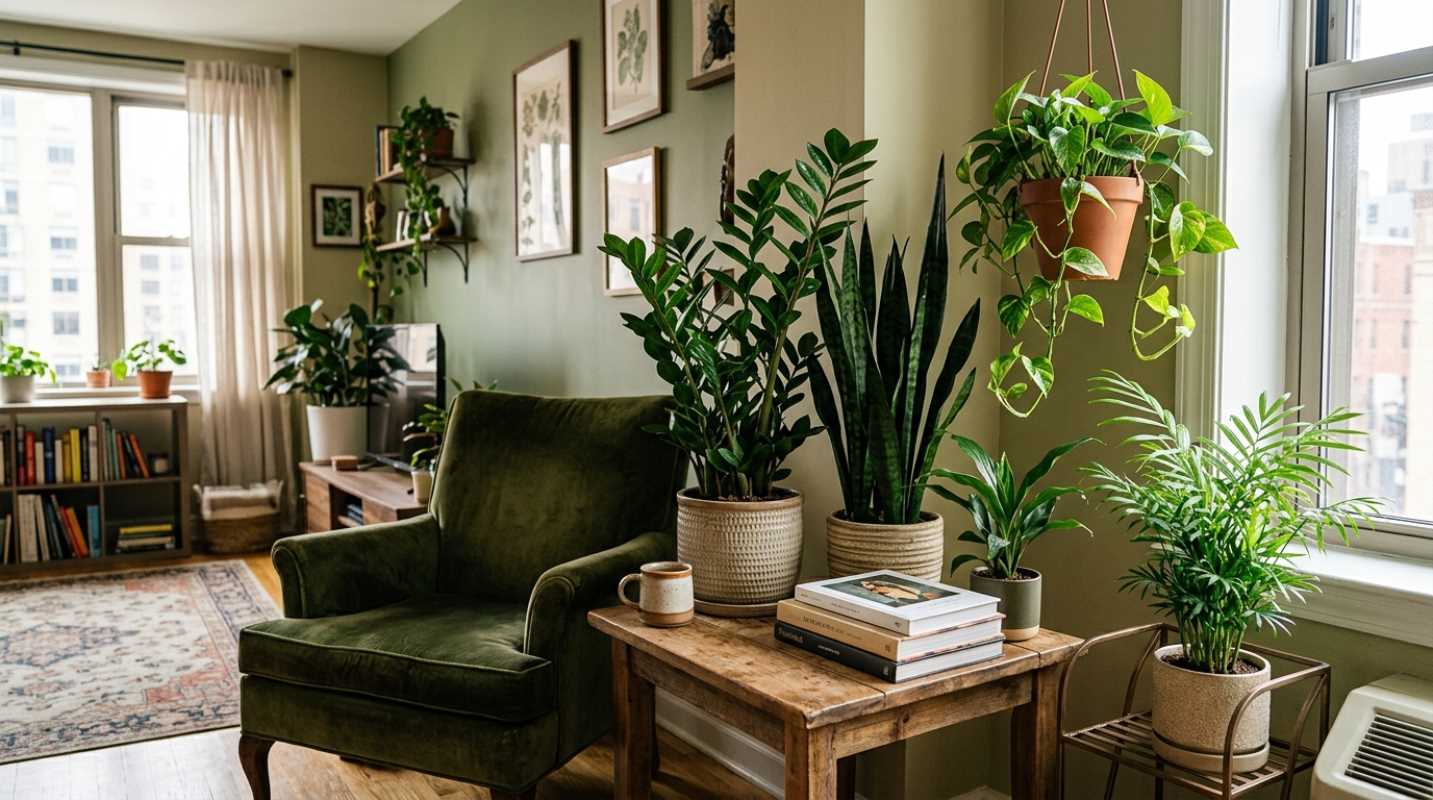
Have you ever looked at a dark corner in your living room and thought, "Nothing could ever grow there"? You aren't alone. One of the biggest myths in plant care is that you need a sun-drenched sunroom or massive south-facing windows to keep plants healthy and green.
The truth is far more forgiving. You don't need a solarium to become a successful plant owner. Millions of apartment dwellers live with north-facing windows, nearby alley walls, or shadowy ground-floor layouts, yet their homes are full of lush foliage. Living with greenery provides real mental health benefits, helping to reduce daily stress and boost mood in compact living spaces. In fact, the global indoor plant market has grown to over 14 billion dollars as urban renters embrace biophilic living in smaller homes.¹
Before you fill your cart, it helps to set realistic expectations. In low-light spaces, plants won't grow at lightning speed. Instead, they grow slowly and focus on maintaining their current leaves. Think of low light as a low-energy state. That slow growth rate is actually a major advantage for small apartments because your plants won't outgrow their pots or take over your living space overnight.
Top-Tier Low-Light Houseplant Varieties for Beginners
If you want plants that can handle dim conditions, you need varieties built for shadow survival. Here are four of the best options for apartment living
• Snake Plant (Sansevieria): This plant is an absolute tank. It uses a specialized photosynthetic process to store carbon dioxide and survive on minimal ambient light. Water it every three to four weeks, let the soil dry completely, and it will stay happy for years.
• ZZ Plant (Zamioculcas zamiifolia): Featuring glossy dark green leaves, the ZZ plant thrives on neglect. Underneath the soil, it holds bulbous rhizomes that store water like tiny canteens, allowing it to easily handle dark corners and missed waterings.
• Golden Pothos (Epipremnum aureum): A versatile vine that cascades beautifully off bookshelves, wall shelves, or hanging pots. Darker green foliage varieties adapt best to lower light levels and can flourish with minimal ambient rays.
• Cast Iron Plant (Aspidistra elatior): This classic earned its nickname in Victorian homes by surviving dark, smoky rooms. Its deep green leaves are packed with extra chlorophyll to absorb every bit of available light in dim corners.
Needed Apartment Plant Care Tips for Success
Keeping low-light plants healthy comes down to tweaking a few daily habits. The biggest mistake people make is treating low-light plants the same as sun-loving ones.
• The golden rule of watering: Less light means less water. Because low-light plants photosynthesize slowly, they drink far less water, and soil stays damp longer. Cut your watering frequency by 30% to 50% compared to brighter spots. Always check the top two inches of soil with your finger before reaching for the watering can.
• Skip heavy fertilizing: Plants don't need extra nutrients when they aren't actively pushing out rapid growth. Feed your plants only once or twice a year during spring or summer with a half-strength liquid fertilizer, and avoid fertilizing completely in winter.
• Keep the leaves dust-free: Dust acts like a curtain over leaf cells, blocking light photons. In low-light conditions, generally defined as 50 to 100 foot-candles, every photon counts.² Wipe the leaves down once a month using a damp microfiber cloth to keep photosynthesis running efficiently.
Styling Your Easy-to-Maintain Indoor Plants
Small apartments demand creative layout choices. You don't have to surrender your valuable floor space or clutter your coffee table to build a green oasis.
• Use vertical space: Hang trailing plants like pothos from ceiling hooks or place them high on bookshelves. Wall-mounted floating shelves give your foliage a dedicated home without taking up a single square inch of floor space.
• Group plants together: Clustering three or four plants together creates a localized microclimate. Plants naturally release moisture into the air, which helps raise ambient humidity around the group and keeps sensitive leaf tips from turning crisp.
• Choose decorative pots with drainage: Pick pots that match your decor, but make sure they handle water properly. You can leave your plant in its plastic nursery pot and drop it inside a stylish decorative planter. This method keeps your decor clean while allowing easy draining during watering time.
Troubleshooting Common Low-Light Issues
Even tough plants send warning signals when something is off. Learning to read these signs keeps simple mistakes from turning into dead plants.
• Distinguish light shortages from overwatering: If your plant stretches toward the nearest light source, develops long spindly stems, or drops lower leaves, it needs a bit more ambient light. If leaves turn soft, yellow, or mushy, you are watering too often.
• Adjust for changing seasons: Natural light shifts dramatically between summer and winter. As winter brings shorter days, move your plants a foot or two closer to windows to compensate for dimmer rays.
• Use LED grow lights when needed: If you have a completely windowless space like an interior hallway or bathroom, natural light won't be an option. Set up a simple full-spectrum LED grow bulb on an automatic timer for 12 to 14 hours each day.
Building Your Urban Jungle
Creating a green home in a dark apartment doesn't require a degree in botany. Start small with just one or two hardy plants like a snake plant or pothos. As you get comfortable reading their watering needs, you can slowly expand your collection.
The secret to indoor gardening in small spaces is working with the light you have rather than fighting it. Low-light plants require very little effort, making them ideal companions for busy city schedules. Once you establish a simple routine, you can sit back and enjoy the calm, refreshing energy that living greenery brings into your home.
Sources:
1. Indoor Plant Market Size & Share Report
https://www.custommarketinsights.com/report/indoor-plant-market/
2. Lighting for Houseplants - University of Illinois Extension
https://extension.illinois.edu/houseplants/lighting