You spent months, maybe years, curating your home. You picked out the sofa you loved, hunted down the perfect coffee table, and finally got your lighting just right. Then a baby comes along, and suddenly well-meaning friends tell you to wrap your living space in primary-colored foam, neon plastic latches, and industrial visual clutter.
Does keeping your toddler safe really mean living in a spacesuit-padded daycare?
Not anymore. A growing movement toward aesthetic childproofing combines safety engineering directly with modern interior design. You can keep your little explorer out of the emergency room while preserving the look of your home. Safety remains non-negotiable. Hundreds of thousands of young children suffer accidental home injuries every year, making baby-proofing an needed project for new parents.¹ But the way you achieve that safety has completely changed.
The Modern Parent's Dilemma - Safety Meets Aesthetics
The myth that baby-proofing requires cheap neon plastic needs to go. Today, minimalist hardware and high-end design solutions allow you to protect your child without ruining your decor.
Interior designers now treat safety as a core element of home design rather than an afterthought. Instead of slapping clunky foam strips on expensive furniture, parents are choosing safety gear that matches their trim, upholstery, and architectural finishes.
Balancing safety with style comes down to making intentional choices. By selecting multipurpose furniture, hidden hardware, and neutral accessories, you create a home that feels elevated to adults while remaining completely secure for toddlers.
Living Room - Where Comfort Meets Caution
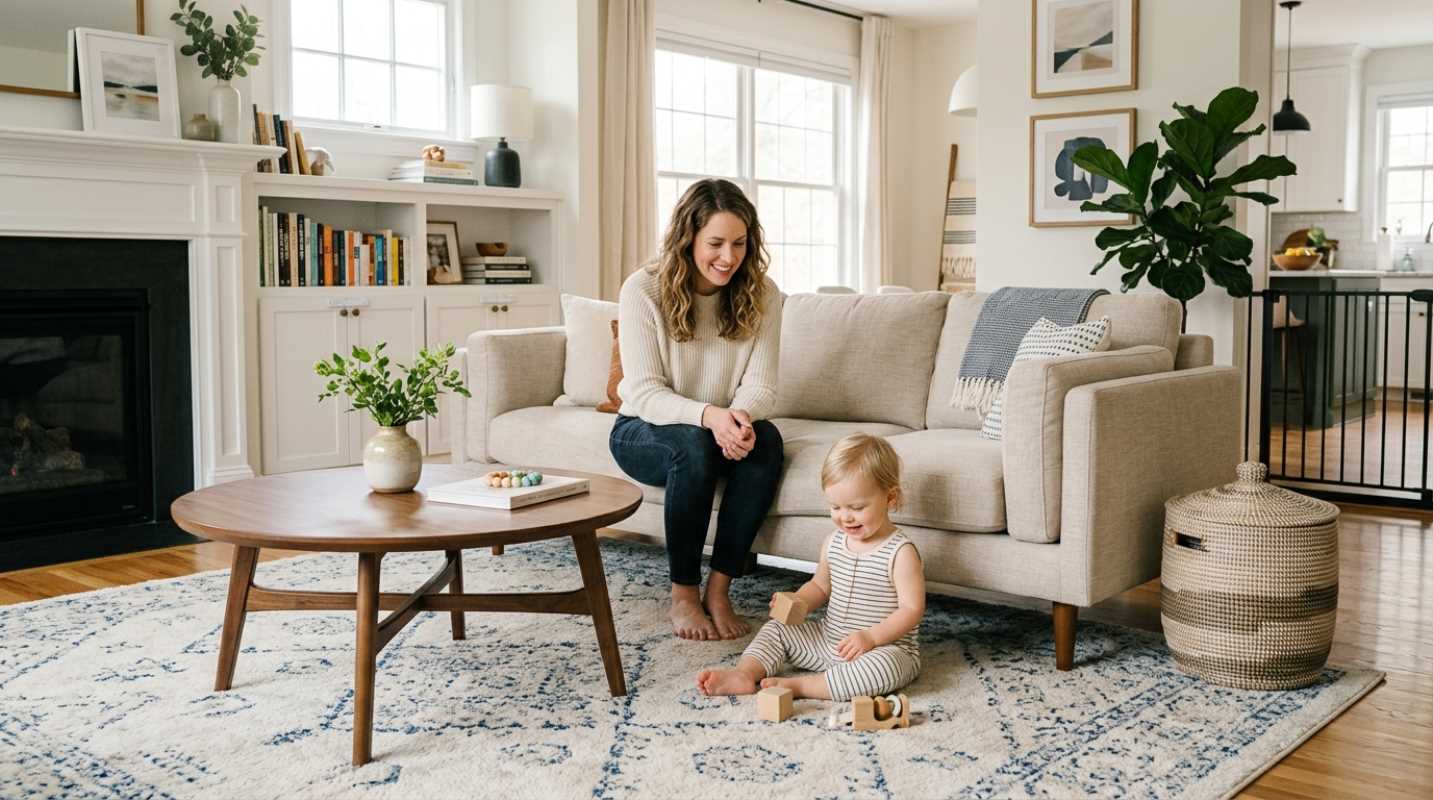
The living room is where your family spends the most time, making it ground zero for baby-proofing. Sharp coffee table corners, dangling cords, and top-heavy floor lamps are natural hazard points for a newly crawling baby.
Instead of taping bright foam blocks onto a sharp glass or marble table, reconsider your center furniture piece entirely. Swap sharp-edged coffee tables for organic, soft shapes. A circular bouclé ottoman, a leather pouf, or a solid wood drum table eliminates sharp corners altogether without compromising style.
If you want to keep your current tables, look for food-grade silicone corner protectors. Modern makers offer discrete bumpers in muted neutral tones like sage, charcoal, and oat that tone in with natural wood or stone surfaces.
Cable management is another design challenge in living rooms. Dangling television wires and exposed wall outlets invite curious hands. You can solve both issues with ultra-thin outlet box covers that hide wall plugs under a clean, flush white panel while channeling cords neatly along baseboards.
For room dividers and stair gates, step away from bright metal grids. Retractable fabric barriers or woven textile gates roll completely out of sight when not in use and look like high-end home textiles when extended. Remember that top-of-stair gates must always be hardware-mounted directly into wall studs for structural stability, while fabric barriers work great for hallways and lower stair landings.
The Kitchen and Dining Area - A Room-by-Room Childproofing Checklist
Kitchens are full of hidden hazards, from sharp knives and heavy glassware to cleaning chemicals. Yet bright plastic exterior latches on every cabinet door instantly ruin custom kitchen cabinetry.
Here are the key upgrades to keep your kitchen stylish and secure
• Invisible Magnetic Cabinet Locks: These hardware latches mount entirely inside your drawers and cabinet doors. From the outside, your kitchen looks untouched. You simply hold a small magnetic key against the cabinet face to release the lock.
• The Designated Toddler Cabinet: Leave one low, accessible cabinet unlocked and fill it with safe items like plastic food containers, wooden spoons, and silicone bowls. This satisfies your child's natural curiosity to explore lower cabinets while keeping them away from danger zones.
• Clear Polycarbonate Stove Controls: If you have front-mounted stove knobs, choose low-profile clear shields. They stop little hands from turning on burners without obscuring your stainless steel or cooktop surfaces.
• Self-Closing Outlet Plates: Skip individual plastic outlet caps. Curious toddlers can pull those out, turning them into choking hazards.³ Instead, replace your wall plates with sliding, self-closing outlets that snap shut automatically when a plug is pulled out.
• Ergonomic Scandinavian High Chairs: Ditch bulky plastic high chairs for adjustable wooden models. Sleek timber seats integrate cleanly into upscale dining rooms and adjust as your child grows into a toddler.
Bedrooms and Nurseries - Curated Calm
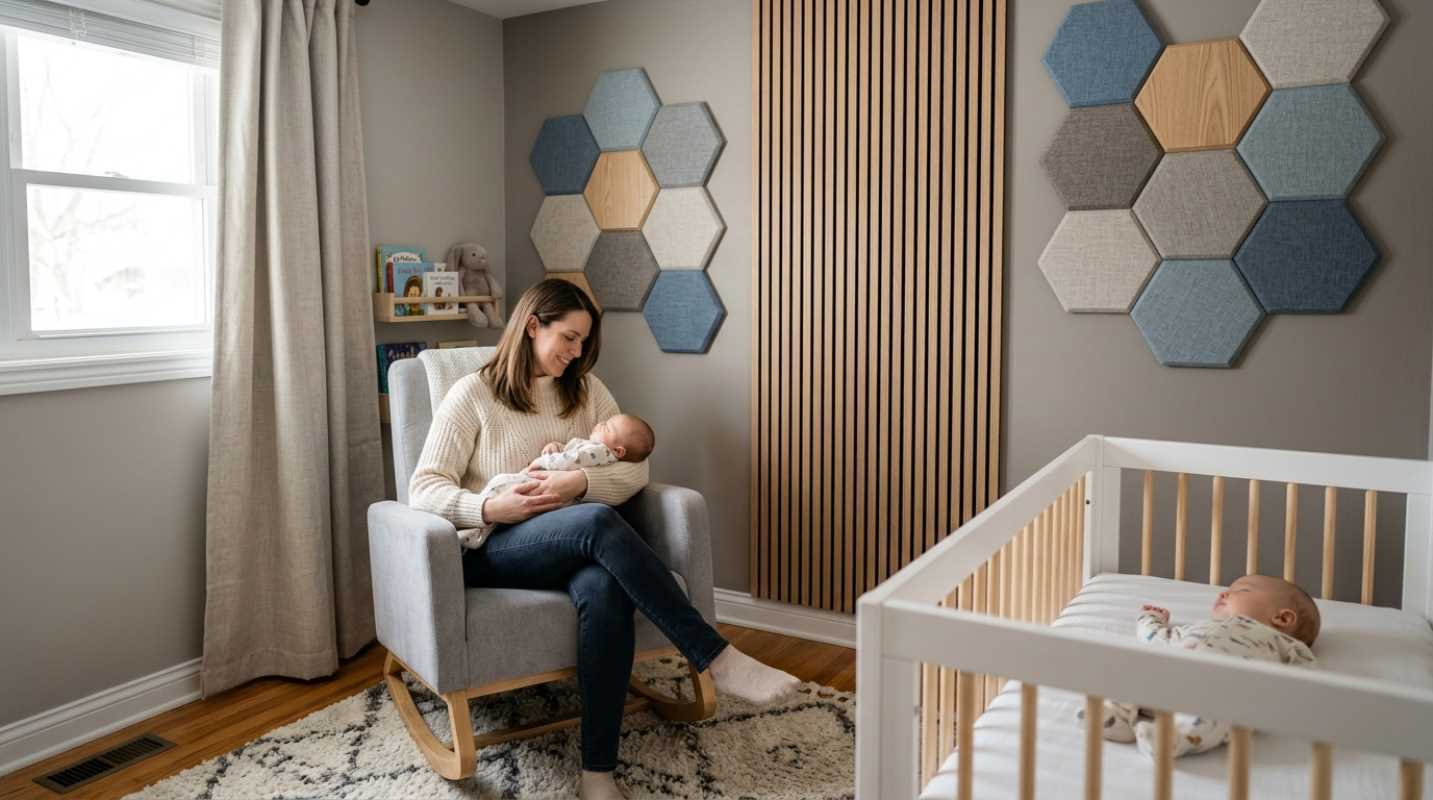
Creating a safe nursery or bedroom is all about securing unseen structural hazards. Heavy dressers, hanging cords, and floating shelves pose serious risks once toddlers start pulling themselves up.
Furniture tip-overs are a severe danger in young children's bedrooms. Under federal safety standards like the STURDY Act, modern dressers undergo strict stability testing, but anchoring furniture remains needed.² Use heavy-duty, all-metal aircreate cable anchors behind dressers, armoires, and tall bookcases. These anchors mount directly into wall studs and stay completely hidden behind the furniture piece.
Window treatments deserve special attention. Traditional window blinds with pull cords are a major strangulation hazard. Choose completely cordless window coverings instead. Motorized roller shades, woven wood shades with cordless lift mechanisms, or custom interior shutters look elevated and eliminate dangling cords entirely.
Skip heavy framed glass artwork directly above cribs or changing tables. Decorate lower wall areas with lightweight canvas prints, fabric wall tapestries, or peel-and-stick mural wallpaper instead. For toy storage, trade plastic tubs for woven seagrass baskets or linen storage bins that hide clutter in plain sight.
Maintenance and Mindset - Long-Term Safety
Childproofing is not a one-time setup that you complete and forget. As your child grows from a crawler into an adventurous toddler, their reach and physical ability change quickly.
Get down on your hands and knees once every season to view your home from your child's perspective. You will spot things you miss while standing up, such as dangling lamp cords, loose outlet covers, or small items dropped under furniture.
Focus on buying safety gear that matches your home trim and architectural details. White gates against white trim or charcoal corner guards on dark wood tables blend right in. When your child moves past the toddler stage, high-quality baby-proofing products can be removed cleanly without damaging walls or custom woodwork.
Protecting your child and maintaining a beautiful home can happen at the same time. By choosing subtle, high-quality safety gear and smart furniture layouts, you create a space where your little one can explore freely while you enjoy a home that still feels like yours.
Sources:
1. CPSC Childproofing Checklist Publication
https://www.cpsc.gov/s3fs-public/252ChildproofingYourHome32123.pdf?VersionId=dg2zlj6_mhYID_xCiup3_1wgCCI2xVvA
2. CPSC Anchor It Campaign Marks 10 Years
https://www.cpsc.gov/Newsroom/News-Releases/2025/CPSC-AnchorIt-Campaign-Marks-10-Years-Fewer-Furniture-Tip-Overs-Lead-to-Safer-American-Households
3. Lucie's List Outlet Covers Guide
https://www.lucieslist.com/guides/baby-proofing/outlet-covers/